
In the 21st century, the boundaries of what is possible in medicine have expanded significantly. Topics that, just a few decades ago, were discussed exclusively among a small circle of doctors or in the privacy of family kitchens have now become the subject of global public debate. Infertility, in vitro fertilization (IVF), genetic material donation, and surrogacy are no longer taboo. Public figures are increasingly and more boldly sharing their difficult, and sometimes painful, experiences, breaking centuries-old stereotypes and inspiring millions of people around the world not to give up in the face of biological obstacles.
In this comprehensive article, we will explore in detail the stories of international and domestic celebrities who have found the joy of parenthood thanks to scientific and technological progress, and analyze how their honesty is changing our society.
IVF (In Vitro Fertilization): When Science Meets Hope
IVF remains the most common method of assisted reproductive technology (ART). Despite its popularity, it is a complex, multi-step process that demands enormous physical and emotional resources from a woman.
- Courteney Cox: Resilience Behind the Scenes of “Friends”
While viewers laughed at Monica Geller’s jokes, actress Courteney Cox was going through a personal drama. She openly admitted that her journey to motherhood was marred by seven miscarriages. The cause was a mutation in the MTHFR gene, which caused her body to produce antibodies that attacked the fetus. IVF became her only option. In 2004, after enduring grueling hormone treatments and emotional turmoil, Courteney gave birth to her daughter, Coco. Her example showed that even with serious genetic predispositions, modern medicine is capable of sustaining a pregnancy.
- Celine Dion: The Triumph of Will Over Biology
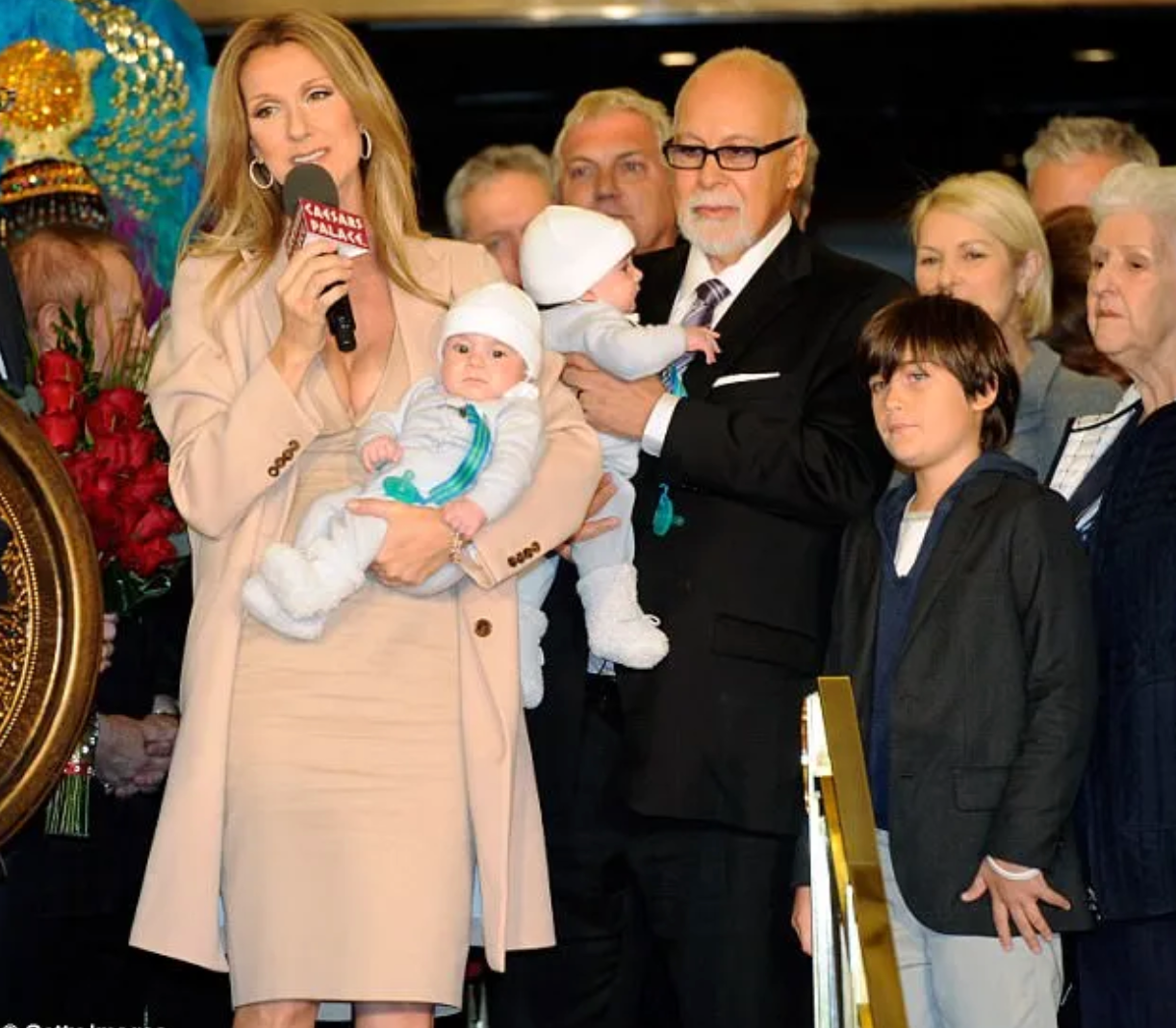
Celine Dion’s story is not just a medical chronicle, but a true epic of boundless maternal love, incredible patience, and an iron will. Her journey to parenthood began in the late 1990s, when it became clear that due to serious health issues with her husband René Angélil (who had been diagnosed with cancer at the time), natural conception was practically impossible. In 2001, after their very first successful IVF attempt, their firstborn, René-Charles, was born. This event seemed like an absolute triumph to the couple, but the real challenge lay ahead.
Years later, wanting to give her son a brother or sister, Celine turned to fertility specialists once again. This time, she was up against not only her old problems but also her biological clock. The singer went through an exhausting marathon of six unsuccessful IVF cycles. Each cycle was accompanied by painful hormone injections that radically altered her body and emotional state. One of these attempts ended in tragedy—an early miscarriage. Celine later admitted in an interview that each failure felt like a small death to her, and waiting for the test results turned into a real ordeal. “People say it’s easy when you have money, but money can’t buy life and can’t take away the pain of loss,” she shared.
Despite the press’s skepticism and her own fears, Celine refused to give up. She used every available assisted reproductive method, including acupuncture and strict diets, to maximize her chances of success. This long-awaited success was the result of multiple rounds of in vitro fertilization (IVF)—a highly complex reproductive technology in which the egg is fertilized outside the mother’s body in a laboratory setting.
In Celine’s case, the situation was complicated not only by her age but also by the need to use her husband’s genetic material, which had been preserved in advance before he began aggressive cancer treatment. Doctors employed personalized superovulation stimulation protocols to obtain a sufficient number of viable eggs, despite her diminished ovarian reserve. Each attempt involved surgical follicular aspiration, careful embryo selection, and subsequent transfer into the uterine cavity. After five grueling failures, the sixth procedure finally resulted in the long-awaited multiple pregnancy. In October 2010, thanks to the skill of the reproductive specialists and the singer’s phenomenal resilience, she gave birth to healthy twins—Eddie and Nelson—at the age of 42.
The children’s names were not chosen at random: Eddie was named after Eddie Marne, the producer of Celine’s first albums, and Nelson was named after Nelson Mandela. Celine Dion has become a living symbol that turning 40 is not a death sentence if you have faith and access to cutting-edge technology. She has often emphasized that “a child is the greatest reward worth going through any hell for,” and her openness has helped millions of women over 35 take a fresh look at their chances of becoming mothers.
- Michelle Obama: Honesty at the Highest Level
In her memoir *Becoming*, the former First Lady of the United States made a sensational revelation: both of her daughters, Malia and Sasha, were conceived through IVF. Michelle spoke about the feelings of loneliness and “heartbreak” she experienced after a miscarriage at age 34. Her decision to speak openly about this, as one of the most influential women in the world, sent a powerful message to Black women and all those who view infertility as a personal shame.4. Brooke Shields and Mariah Carey: More Than Just MedicineBrooke Shields was one of the first to speak openly about the link between IVF and severe postpartum depression, helping women prepare for the emotional rollercoaster. Mariah Carey, for her part, faced gestational diabetes and preeclampsia during her “IVF pregnancy” at age 41. These stories underscore that ART is not just a medical procedure, but a serious ordeal for the entire body.
Egg Freezing: A Social Revolution and Freedom of Choice
“Social freezing” of eggs is a trend that is reshaping the world’s demographic landscape. It allows women to avoid having to choose between career and motherhood under the pressure of age.
- Paris Hilton and Control Over the Future
Paris, long associated with a carefree lifestyle, approached motherhood with great deliberation. She froze her eggs when she was 33 and eventually became a mother of two in 2023. Paris emphasizes that this gave her the opportunity to wait for “the one” and prepare herself psychologically for motherhood.
- Rita Ora and Amy Schumer: Different Facets of the Experience
Rita Ora froze her eggs at 24, considering it the best investment in her future. Comedian Amy Schumer, on the other hand, openly shared the behind-the-scenes reality of the process on social media: bruises from injections on her stomach, fatigue, and a feeling of exhaustion. This “unglamorous” honesty helps women form realistic expectations about the procedure.
A Profound Impact on Society: Why Are Their Stories Priceless?
When celebrities of the caliber of Celine Dion or Kim Kardashian speak about their struggles, several important things happen:
- Removing Social Stigma: The myth that a “real woman” must conceive and give birth only naturally is dispelled. This reduces stress and self-blame for millions of ordinary women.
- A catalyst for legislation: The public attention on these issues pushes governments to more clearly regulate the rights of surrogate mothers and parents, protecting the interests of children.
- Industry development: High demand and interest from celebrities are driving investment in reproductive research, which over time makes these technologies more accessible to the general public.
FAQ: Detailed answers to frequently asked questions
- What are the chances of success with IVF after age 40?Statistics show that after age 40, the chances of success using one’s own eggs are about 10–15% per cycle. This is why many celebrities (such as Celine Dion) undergo multiple attempts or use previously frozen material, as Alla Pugacheva did.
- Does egg freezing affect the health of the future child?Numerous studies confirm that children born from frozen eggs are no different in terms of development and health from children conceived naturally. The vitrification method (“rapid freezing”) virtually eliminates damage to cells caused by ice crystals.
- How does a surrogate mother pass on her genes to the child?In modern (gestational) surrogacy, the surrogate mother has nogenetic connection to the child. The biological mother’s (or a donor’s) egg and the father’s sperm are used. She acts solely as an “incubator,” providing nourishment and ensuring the fetus’s development in her womb.
- What are the psychological risks associated with ART?Hormone therapy during IVF can cause mood swings, and waiting for the results can lead to increased anxiety. Celebrities such as Brooke Shields often emphasize the importance of psychotherapeutic support during this period.
- How much does the surrogacy procedure cost?The cost varies greatly depending on the country and specific circumstances. In the U.S., it can range from $100,000 to $200,000, including medical expenses, legal fees, and compensation for the surrogate mother. In Russia and CIS countries, the costs are typically lower, but the process requires strict compliance with the law.
- Why do some celebrities hide their use of ART?Despite progress, the fear of judgment or the desire to keep the “secret of birth” is still strong. However, every new example of openness makes this path more socially acceptable for everyone else.