
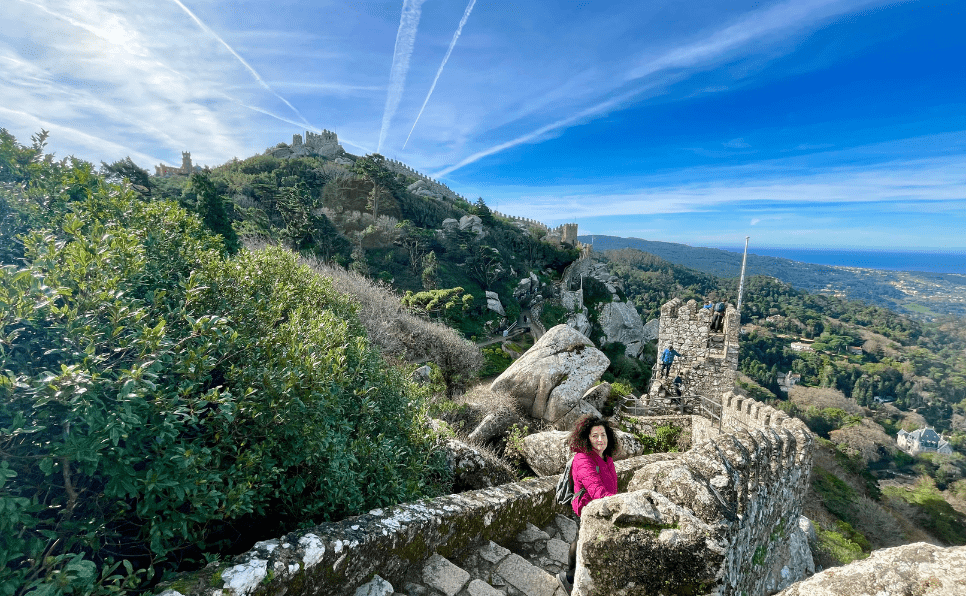
For years, fast travel dominated the wanderlust scene. Travelers, particularly influencers, raced through destinations, frantically ticking boxes on endless checklists. But this whirlwind approach left many feeling disconnected and exhausted. Now, a growing movement is embracing the opposite philosophy: staying put and truly experiencing a place.
Slow travel is not your flights getting delayed or traffic jams; it’s a meaningful method of immersing yourself in a destination. Let’s explore how this mindful approach is reshaping tourism and why influencers are championing this more meaningful way to see the world.
Shifting From Checklists to Connection
The usual fast tourism and the influencers associated with it focused so much on quantity and superficial interaction that it often came at a cost of not truly knowing the culture of a place. Just taking a few pics and going on to the next flight.
While fast travel isn’t necessarily wrong, influencers have realized the joys of cultivating authentic interactions and deeper immersion. Since a lot of content now focuses on slow travel, viewers are also getting inspired to pause and focus on creating meaningful experiences, too.
Authentic Community Engagement and Local Immersion
In slow travel, extended stays are the norm, and local accommodations like guesthouses are preferred over any fancy international hotels. This lifestyle also emphasizes going to places that are not so frequented by tourists. The logic being that there’s something satisfying about finding those hidden gems where people are just chilling, not putting on a show for tourists or trying to profit off them.
Speaking of peaceful locals, slow travel influencers often showcase the daily routines of these folks. The conversations with said locals are also often a crucial part of the content. There’s genuine intent to understand the culture.
Slow travel influencers also focus on storytelling and showcasing local customs. This approach introduces their audience to a variety of viewpoints. This approach makes locals feel appreciated, since their stories and heritage are shared and celebrated.
Advocating for Greener and Responsible Practices
The slow travel lifestyle also includes eco-friendly and sustainable practices, even if this isn’t the primary goal. However, it’s also safe to assume that there are slow travel influencers who focus on advocating for a greener footprint.
The first environmental benefit comes with the reduction of travel emissions. Fewer flights and choosing low-carbon transport for getting around. Not to mention, there’s an emphasis on walking around more, most of the time to take in scenic views.
The reduction of consumption and waste is also a significant consideration. When travelers are living like locals, they are more likely to cook their own meals with local ingredients sourced from local markets. Moreover, since they’ll be staying longer, they’re more likely to use reusable items, opting out of single-use plastics.
On a relevant note, travelers often use an eSIM to maintain a consistent, reliable connection while vlogging or livestreaming. Using this technology also has a greener aspect since there’s no need to purchase multiple plastic SIM cards, reducing the manufacturing footprint.
Building a Niche With Purpose-Driven Content
A lot of content nowadays is made for the sole purpose of driving engagement by eliciting strong emotions from viewers. Then, there’s also content that is entertaining but adds little value for the individual. With slow travel, content is driven by purpose, which is to show the authentic side of a place and its people.
Unlike fast-paced travel content, slow travel offers a safer bet for brand partnerships. Ethical brands love this content because it aligns with their values of authenticity and mindfulness. These creators also attract sustainability-focused tour operators who want to promote experiences that share their commitment to responsible tourism.
The result? Even without chasing mass appeal, this niche generates solid revenue through quality partnerships with brands that truly resonate with their audience’s values.
The Conscious Course of Slow Tourism
While fast tourism appears to generate more profit due to high visitor volume, much of its revenue often leaks out to foreign-owned businesses. But there’s a catch: hidden environmental and social costs that can degrade travel destinations.
Slow tourism might be slower in generating revenue, but it fosters a deeper and more direct local economic impact. Encouraging travelers to stay longer means they’re spending directly on local service providers and businesses. This approach keeps more money circulating within the community.
Slow Travel: The Movement Redefining Tourism
Slow travel is about choosing depth over distance, spending weeks or months in one place to truly understand its culture, rhythms, and people rather than rushing through a checklist of attractions. The influencers play a vital role in showcasing the benefits of slow tourism mentioned in this article. If you share the same values embodied by this lifestyle, consider supporting the influencers or practicing slow travel yourself.