
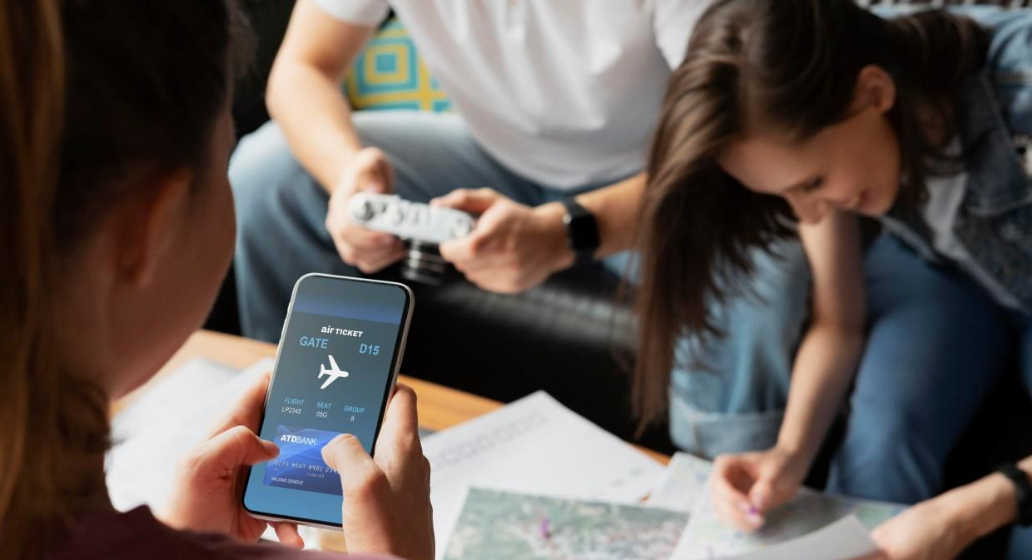
Gone are the days of relying solely on glossy guidebooks. Travelers today crave something deeper. They want the unpolished, the genuine. And they’ve discovered that online conversations deliver exactly that.
A 2023 study by Phocuswright found that 67% of travelers under 35 use social media or forums specifically to find local recommendations. That’s a massive shift.
Authenticity Over Brochures
Tourism boards paint pretty pictures. But locals? They tell you about the hole-in-the-wall ramen shop that closes when the owner feels like it. Or the secret beach that doesn’t show up on any map.
Online platforms like Reddit, Facebook groups, and even TikTok have become treasure troves. Here, a random user in Kyoto will tell you which temple to visit at dawn to avoid crowds. A baker in Lisbon will share the exact time fresh pastéis de nata come out of the oven.
This isn’t curated. It’s raw.
Real-Time, Real People
Information changes fast. A restaurant that was “must-see” in a 2019 blog might be permanently closed. But online conversations are happening now.
You can ask a question and get an answer within minutes. Even better? You can ask a question via video chat and get a detailed answer right away. What could be easier than finding new connections online? If you don’t know anyone, people are now simply connecting to callmechat website and starting a conversation. No one knows who the next person will be, but it’s a chance to find an authentic experience that no guidebook can offer. Someone who walked that street yesterday responds. That immediacy is priceless.
The Power of Niche Communities
Forget generic travel sites. Travelers are flocking to hyper-specific groups. Think “Vegan in Bali” or “Hiking Patagonia Without a Guide.”
These communities operate on trust. Members share detailed itineraries, warn about scams, and even offer to meet up. The signal-to-noise ratio is incredibly high.
According to a 2024 survey by SmarterTravel, 58% of respondents said they joined a dedicated travel group on Facebook or Reddit specifically to get local insights before a trip.
Statistics Speak
Let’s look at the numbers. A report from Expedia Group noted that 49% of travelers use messaging apps to connect with locals or fellow travelers during their trips. Furthermore, 72% believe that user-generated content from locals is more trustworthy than official travel advertisements.
These aren’t just trends. They represent a fundamental change in how we build trust in travel information.
Avoiding Tourist Traps
No one wants to be the person eating overpriced pasta in a square full of pigeons. Online conversations serve as a filter.
Locals will flat-out say, “That place is a trap. Go three blocks north.” They’ll give you the name of the family-run trattoria where nonna is still in the kitchen.
It’s like having a friend who lives there, even if you’ve never met.
Building Connections Before Arrival
Travel can be lonely. Especially solo travel. But engaging in online conversations beforehand creates a social safety net.
You might find a fellow traveler to split a taxi with to the airport. Or a local who offers to show you their favorite street art district. These digital interactions often blossom into real-world friendships.
It makes the destination feel less foreign.
Overcoming Language Barriers
Language barriers can be intimidating. Yet online translation tools and local forums bridge that gap.
Travelers use apps like WhatsApp to communicate with hosts or shop owners they’ve connected with through local groups. They ask simple questions: “What’s the best dish here?” “How do I take the bus?”
The answers come in real-time, often with photos or voice notes, making navigation effortless.
The Psychology of Trust
Why trust a stranger on the internet over a professional journalist? It’s simple: perceived authenticity. A local sharing a tip has nothing to sell. Their credibility comes from lived experience.
When a user posts a photo of their meal with a caption like, “Best $2 tacos of my life,” it resonates. It feels achievable, unsponsored.
This peer-to-peer trust is the currency of modern travel.
Practical Tips for Engaging
Don’t just lurk. Ask smart questions. Instead of “What should I do?” try “I love jazz and street food. Where would you send me?” Specificity yields better results.
Be respectful. Locals aren’t travel agents. A simple “thank you” goes a long way. And contribute back—share your own findings after the trip.
That’s how these communities sustain themselves.
The Future of Local Discovery
This isn’t a passing fad. The desire for authentic local experiences is only growing.
Platforms are adapting. Instagram now has “guides” from local creators. Google Maps relies heavily on local guides who review places with insider knowledge.
Travelers will continue to prioritize conversation over consumption. Because the best tips don’t come from algorithms. They come from people.