
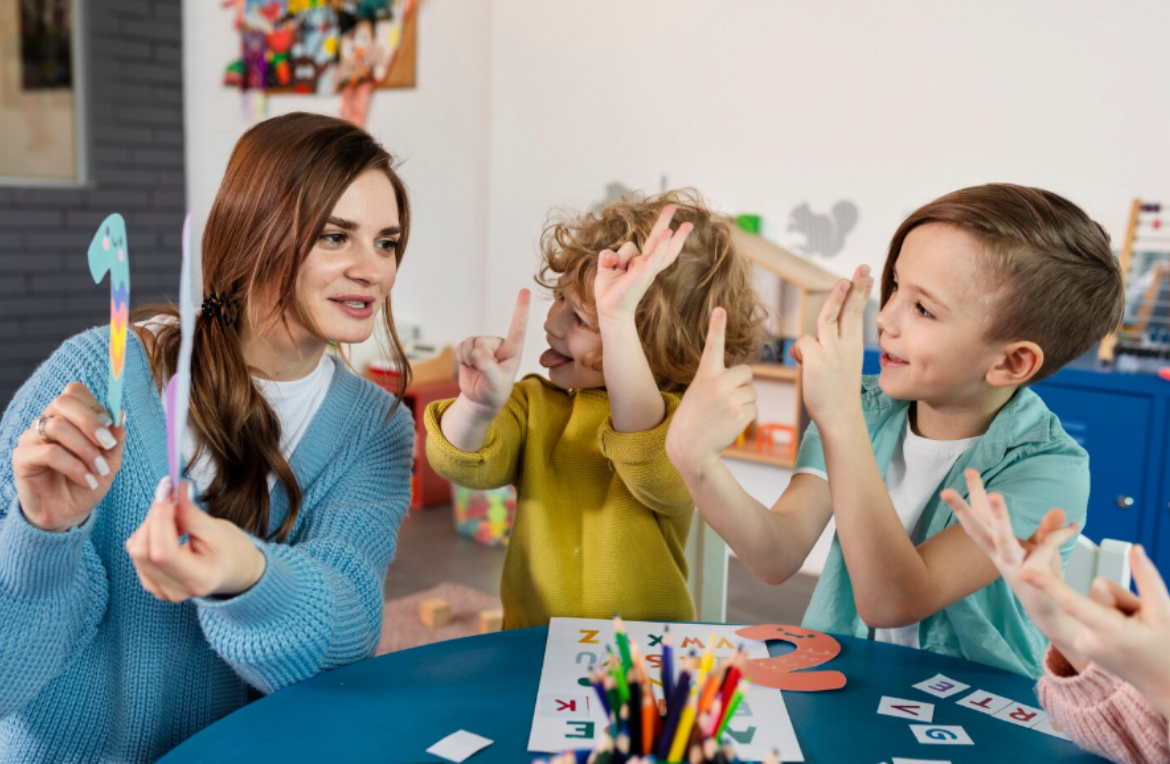
Childcare choices often start with a practical problem. Work schedules need coverage. Daily routines require structure. Children need a safe place during working hours.
Over time, the decision becomes more than logistics. Early experiences in childcare influence communication, behaviour, and confidence in group settings. Little Footprints Preschool – Yishun Childcare & Day Care Centre supports young children through structured learning environments that encourage social development, confidence, and early communication skills.
In Singapore, childcare centres operate within a regulated early childhood system. This creates consistency in standards, though differences still exist in teaching approach, environment, and daily experience.
Parents usually compare options based on trust, routine stability, and developmental support.
What Childcare Centres Focus On
Childcare centres support both care and early learning.
Daily routines include meals, rest time, structured lessons, and supervised play. These activities are designed to support development across language, motor skills, cognitive growth, and social behaviour.
Learning often happens through play-based activities rather than formal instruction. Children explore concepts through interaction, repetition, and guided tasks.
At this stage, emotional security matters as much as learning content.
Importance of Routine in Child Development
Routine is one of the strongest influences in early childhood environments.
Predictable schedules help children understand expectations. Arrival, group learning, meals, nap time, and play follow structured patterns.
This consistency reduces anxiety and supports smoother behaviour throughout the day.
Children often respond better when daily activities follow familiar sequences.
In childcare settings, routine stability also supports better transitions between home and school environments.
Social Development in Group Care Settings
Childcare environments introduce structured social interaction early in life.
Children learn to share, communicate needs, and respond to group instructions. These behaviours develop through repetition and guided support from caregivers.
Interaction with peers builds familiarity with group dynamics. Children observe behaviour, respond to feedback, and gradually develop cooperation skills.
Conflicts are part of the learning process. Teachers guide resolution through simple communication and emotional support.
These early experiences influence confidence in later school environments.
Role of Caregivers and Teachers
Caregivers play a central role in both emotional and educational development.
Young children depend on adult guidance for comfort, structure, and behavioural learning. Consistent caregiver interaction helps build trust and emotional stability.
Teachers support early learning through structured activities and observation-based guidance.
Communication between caregivers and children shapes engagement levels during daily activities.
Stable relationships with familiar caregivers often improve participation and reduce separation anxiety.
Learning Approach in Childcare Centres
Childcare education focuses on foundational development.
Language exposure includes storytelling, conversation, and early phonics. Numeracy appears through counting activities, patterns, and simple problem-solving tasks.
Motor skills develop through physical play, drawing, and movement-based exercises.
Play-based learning remains central. Children engage with materials and activities designed to encourage curiosity and exploration.
The goal is readiness for preschool and later primary school education.
Safety and Environment Standards
Safety is a major consideration in childcare selection.
Centres follow regulated standards for supervision, hygiene, and facility design. Secure entry systems, monitored classrooms, and structured outdoor play areas are commonly required.
Clean environments support health and reduce exposure to illness.
Outdoor areas allow physical activity, which supports coordination and motor development.
Parents often evaluate cleanliness, organisation, and supervision quality during visits.
Emotional Security in Early Years
Emotional stability influences learning outcomes.
Children who feel secure in their environment tend to engage more actively in activities and social interaction.
Separation from parents during early years can be challenging. Caregivers help ease this transition through reassurance and consistent routines.
Familiar faces and predictable schedules reduce stress over time.
Emotional comfort often becomes a foundation for learning readiness.
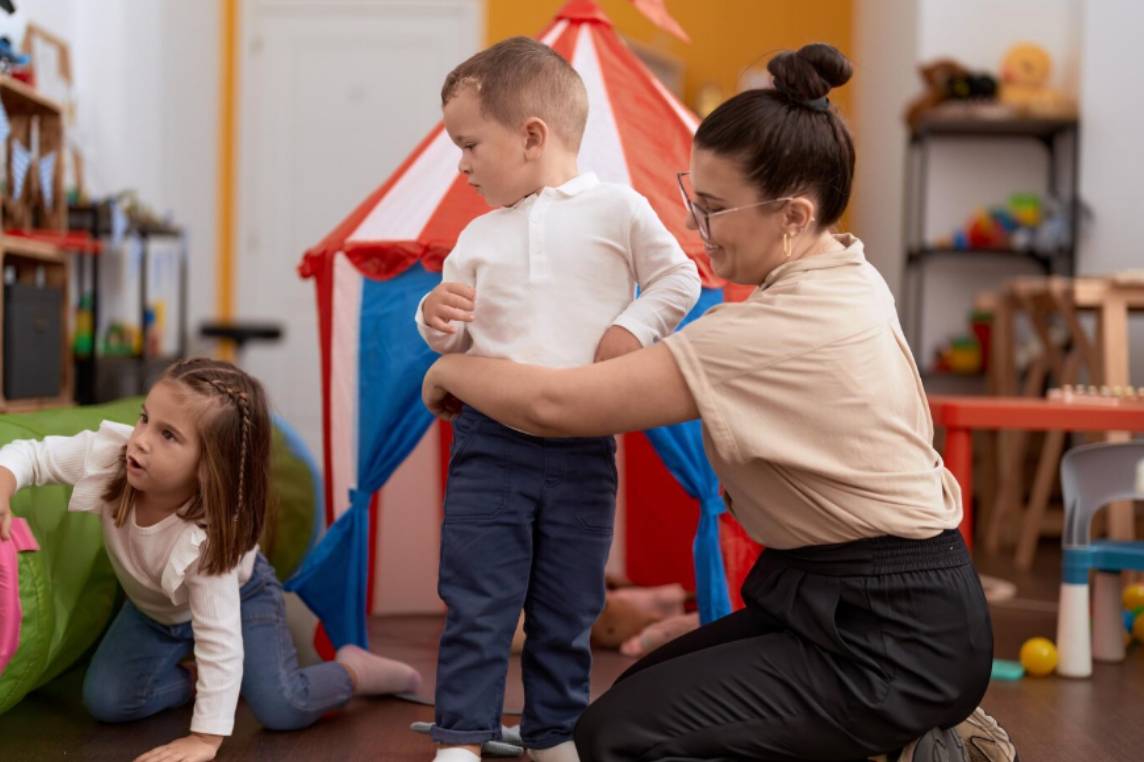
Accessibility and Daily Convenience
Childcare centres are often selected based on proximity to home or workplace.
Short travel times reduce morning pressure and improve punctuality. Convenience also supports consistency in attendance.
Singapore’s residential planning often places childcare centres within housing estates, near transport nodes, or within community spaces.
Ease of access becomes a practical factor in long-term decision-making.
Communication Between Parents and Centres
Effective communication builds trust between parents and childcare centres.
Regular updates on behaviour, meals, learning progress, and daily activities help families understand development.
Some centres use digital platforms for updates, while others rely on daily reports or face-to-face communication.
Clear communication supports alignment between home routines and childcare environments.
Preparing for Transition to Preschool
Childcare plays an important role in preparing children for preschool education.
Children gradually develop independence in simple tasks, adaptability in group settings, and familiarity with structured routines.
These skills reduce adjustment challenges during preschool entry.
Early exposure to learning environments also supports confidence in new settings.
What Parents Commonly Prioritise
Parents often focus on practical indicators when selecting childcare.
Caregiver attentiveness, classroom atmosphere, safety measures, and daily structure are key considerations.
Observing how children respond during activities often provides insight into centre quality.
Trust and consistency tend to influence final decisions more than programme descriptions alone.
Final Perspective on Childcare in Singapore
Childcare in Singapore combines care, learning, and structured routine within a regulated environment.
Quality centres support emotional security, social development, and early learning foundations.
When environment, caregivers, and routine align with a child’s needs, early development often becomes smoother and more stable over time.