
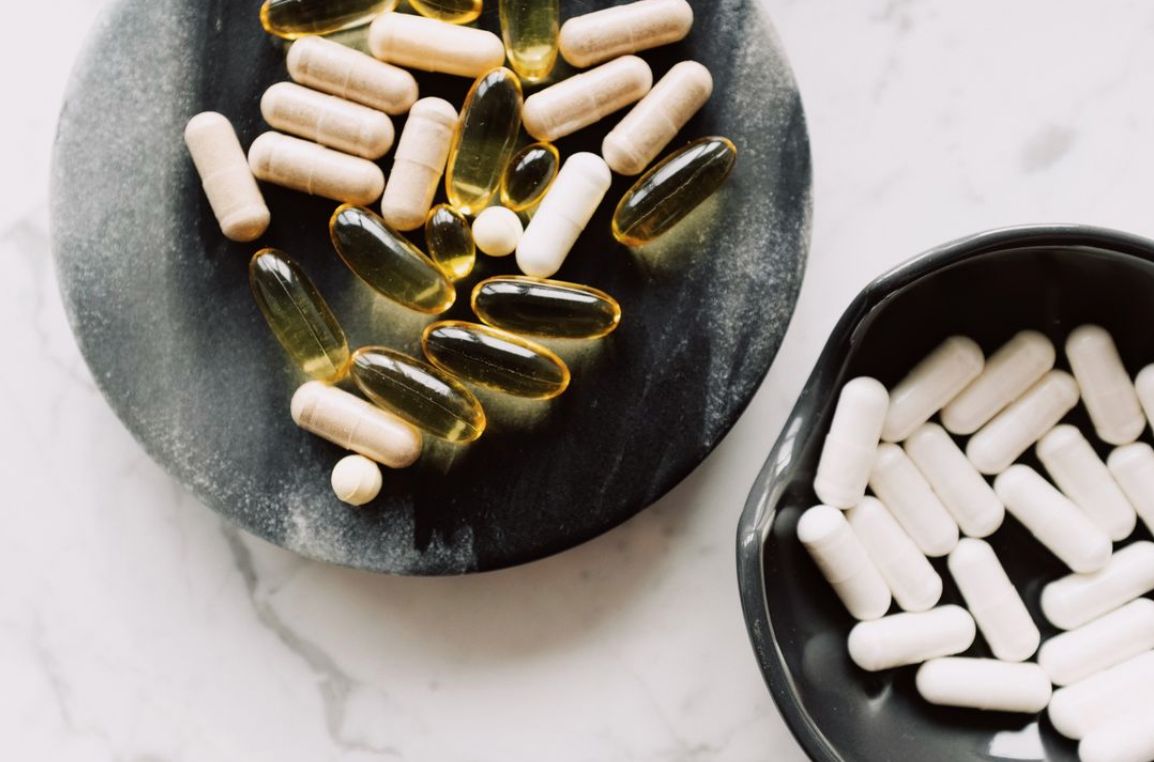
Hair, skin, and nail supplements sit in a space shaped by visible concerns. Hair thinning feels noticeable in photos. Hair, Skin and Nails Supplement with Biotin, Collagen products are often chosen by individuals seeking additional nutritional support for healthier-looking hair, skin, and nails. Skin changes show up quickly in daily reflection. Nails break or weaken during routine tasks.
These changes often push people toward products promising cosmetic and nutritional support in one routine.
Interest is not always about treating a condition. It is often about appearance, maintenance, and gradual improvement over time.
The category grew as beauty and wellness merged into daily supplement habits.
What Hair, Skin, and Nail Supplements Usually Contain
Most formulations share a similar set of ingredients, although concentrations vary widely.
Biotin appears frequently because it is associated with keratin production. Keratin is a structural protein found in hair, skin, and nails.
Collagen is another common ingredient. It is often included to support skin elasticity and hydration.
Vitamin C sometimes appears to support collagen formation processes in the body. Vitamin E is often added for antioxidant support.
Zinc and silica are also included in many formulas because they are linked to tissue repair and nail strength discussions.
Each ingredient serves a different function, though results depend heavily on baseline nutrition.
Biotin and Hair Growth Expectations
Biotin is often the most recognised ingredient in this category.
It plays a role in metabolic processes related to keratin. This association leads to the idea that biotin supplements support hair growth or reduce hair loss.
In reality, noticeable improvement tends to be more likely in cases where a deficiency exists.
For people with balanced biotin intake already, additional supplementation may not create visible changes.
This gap between expectation and outcome explains why experiences differ widely.
Some users report stronger nails or reduced breakage. Others notice minimal change.
Collagen and Skin Appearance
Collagen supplements are widely marketed for skin hydration, elasticity, and overall appearance.
Collagen is a structural protein found in connective tissues. As people age, natural collagen production decreases gradually.
Supplementation introduces collagen peptides that the body breaks down during digestion.
The body then uses amino acids for various processes, not directly for the skin alone.
Some users notice subtle changes in skin texture over time, though results vary depending on diet, hydration, sun exposure, and skincare habits.
Collagen is not a direct skin treatment. It works within a broader nutritional system.
Hair Strength and Nail Condition
Hair and nails often reflect overall nutritional status.
Weak nails, slow growth, or increased breakage sometimes relate to nutrient gaps, though not always.
Protein intake, iron levels, zinc availability, and general diet quality all influence structural health.
Hair, skin, and nail supplements aim to support these areas through combined nutrient intake.
Improvements, if they appear, often develop slowly.
Nails grow gradually. Hair cycles take months. This makes quick results unlikely.
Why Results Differ Between People
Responses to supplements vary significantly.
One person may notice stronger nails within a few weeks. Another may see no change despite consistent use.
Several factors influence this difference:
- Baseline nutrient levels
- Diet quality
- Stress levels
- Hormonal balance
- Sleep quality
- Genetics
Because so many variables interact, supplements alone rarely determine outcomes.
They support conditions rather than control results directly.
Marketing vs Realistic Outcomes
Hair, skin, and nail supplements are often marketed with strong visual expectations.
Shinier hair, clearer skin, and stronger nails appear in promotional materials. These outcomes are possible in some cases, though not guaranteed.
Many visible improvements in skin or hair often involve multiple factors working together, including skincare routines, diet changes, hydration, and stress management.
Supplements tend to play a supporting role rather than a primary solution.
Understanding this difference helps set more realistic expectations.
When Supplements Make More Sense
These supplements may feel more relevant when dietary intake is inconsistent or when nutritional support is needed alongside lifestyle changes.
People with limited protein intake, restrictive diets, or higher stress levels sometimes explore them as part of broader wellness routines.
However, they are less likely to show noticeable changes when nutrition is already balanced.
Consistency and patience matter more than dosage intensity.
Hair Growth Cycle and Time Factor
Hair grows in cycles that span months rather than days.
This means any nutritional support affecting hair condition usually takes time before visible changes appear.
Short-term use rarely reflects full potential outcomes.
Nails also grow slowly, so improvements in strength or appearance tend to become noticeable over longer periods of use.
This timing mismatch often leads to unrealistic expectations early in use.
The Role of Overall Lifestyle
Hair, skin, and nail conditions often reflect general health.
Sleep, hydration, stress levels, and diet quality influence appearance more than any single supplement.
Supplements support nutrient intake, though they do not replace these factors.
A consistent routine involving balanced nutrition and healthy habits tends to produce more stable long-term results.
Choosing Supplements With Clarity
Ingredient transparency matters when selecting products in this category.
Clear labelling of biotin levels, collagen content, and supporting vitamins helps users understand what they are taking.
Simpler formulas often make it easier to track outcomes.
Too many overlapping products sometimes make it difficult to identify what is actually working.
Final Perspective on Hair, Skin, and Nails Supplements
Hair, skin, and nails supplements remain popular because they align with visible, everyday concerns.
They offer a structured way to support nutrition linked to appearance, though results depend heavily on individual factors and overall lifestyle.
Changes tend to be gradual and subtle rather than immediate or dramatic.
Understanding their role as nutritional support rather than direct cosmetic treatment creates more realistic expectations and steadier long-term use.