
People usually think about wealth in the obvious ways.
Saving more. Spending less. Investing earlier. Avoiding bad debt. Building a business. Buying assets that grow over time.
All of that matters. But there is another side of wealth that often gets ignored: how people use the money already tied up in their home.
For many homeowners, the house is the biggest financial asset they own. It is also the place where life happens every day. That makes home improvement a little different from other spending. Done badly, it can become an expensive mistake. Done wisely, it can improve daily life and support long-term property value.
Outdoor living is a good example.
A deck may look like a lifestyle upgrade, and it is. But it can also be a practical decision when it creates usable space, improves the way people enjoy the home, and makes the property more appealing over time.
Not Every Home Upgrade Is a Good Investment
This is where homeowners need to be careful.
Just because a project is expensive does not mean it is smart. Some upgrades are done for emotion only. Others are done because a trend looks good online. Some projects cost a lot but do not match the home, neighborhood, or way the family actually lives.
A smart home improvement should answer a few basic questions.
Will this space be used often?
Does it solve a real problem?
Does it fit the home?
Is it built to last?
Could it make the property more attractive to future buyers?
If the answer is yes, the project has a stronger reason behind it.
That is why outdoor spaces deserve attention. Many homes already have backyards, patios, or unused exterior areas. The space is there, but it is not always working hard enough.
A Deck Turns Empty Space Into Usable Space
An empty backyard can look nice, but it may not support daily life.
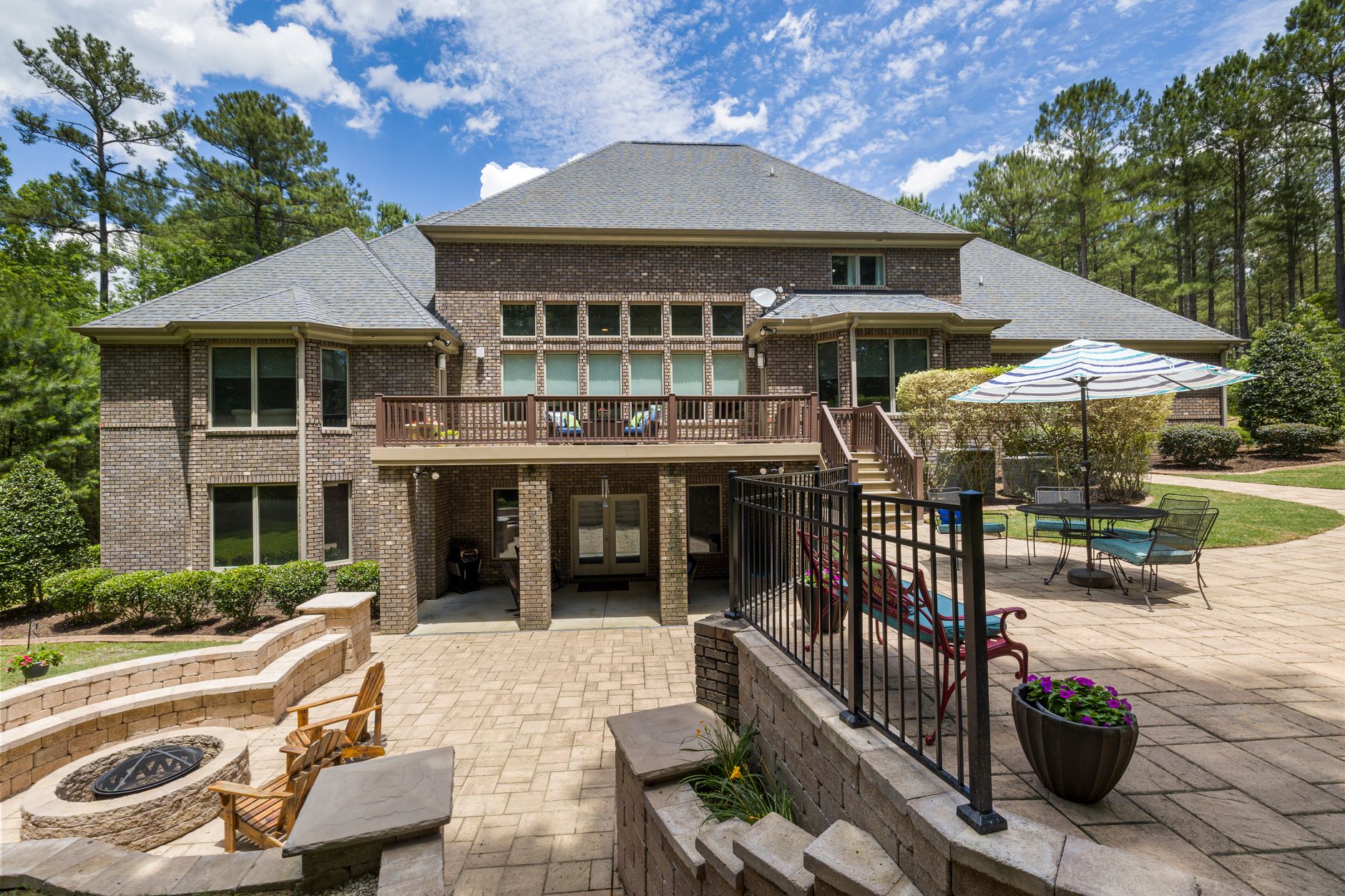
A deck gives the outdoor area more purpose. It creates a place for morning coffee, weekend meals, family gatherings, grilling, reading, working outside, or simply sitting in the evening.
That matters because usable space is valuable.
A home does not always need a larger footprint to feel better. Sometimes it needs better connection between indoor and outdoor areas. A well-planned deck can make the home feel bigger without adding a full room.
For homeowners considering this type of project, Working with a Columbus deck builder can help turn an unused outdoor area into a more practical extension of the home.
The Best Projects Support Real Habits
A deck should not be designed only for special occasions.
If the space is only useful once or twice a year, it may not deliver enough value. The better question is how the homeowner will use it during normal weeks.
Will the family eat outside?
Will children use the space?
Will guests gather there?
Will it connect to the kitchen or living room?
Will there be shade?
Will it feel comfortable in the evening?
Will the layout make furniture placement easy?
These details matter. A deck that looks good but feels awkward will not be used as much. A simpler deck that fits daily routines may be far more valuable.
Outdoor Living Can Reduce the Need for Bigger Changes
Some homeowners think they need a bigger house when what they really need is better use of space.
A deck can help with that.
It can create another area for relaxing, hosting, or spending time with family. During warmer months, it can take pressure off the kitchen, dining room, or living room. For people who work from home, it can also provide a small change of environment without leaving the property.
This does not replace a major remodel in every case. But it can delay or reduce the need for more expensive changes.
That is smart money thinking: improve the function of what you already own before assuming you need more.
Durability Matters More Than Trend
A home improvement project should not be judged only on how it looks on day one.
It should be judged on how it performs after years of use.
Decking materials, framing, railing, fasteners, stairs, drainage, and maintenance needs all affect long-term value. A cheaper build that needs constant repair may not be cheaper in the end. A stronger project with better planning can save stress and money over time.
This is where homeowners should think like investors.
The goal is not to buy the cheapest option. The goal is to choose the option that makes sense over the life of the project.
Buyers Notice Outdoor Space
A homeowner may build a deck for their own use, but future buyers may notice it too.
People often imagine how they would live in a home before they buy it. A clean, functional outdoor space can help them picture weekend dinners, family visits, quiet mornings, and summer evenings.
That emotional connection matters.
A buyer may not calculate every board and railing, but they can feel when the outdoor area has been planned well. The home feels more complete. The backyard feels less like leftover land and more like part of the living space.
That does not mean every deck automatically increases value. Poor design, weak construction, or bad placement can hurt the result. But a thoughtful outdoor space can make a property more attractive.
Maintenance Should Be Part of the Budget
One mistake homeowners make is thinking only about the installation cost.
A deck also needs maintenance. The level depends on the material, climate, use, and design. Some materials require more care. Others cost more upfront but may be easier to maintain.
This should be part of the financial decision.
A project that looks affordable at first may become more expensive if it needs frequent repairs or treatment. A project that costs more upfront may make sense if it lasts longer and requires less attention.
Smart homeowners look beyond the first invoice.
The Layout Can Make or Break the Project
A deck should feel connected to the home.
If it is too small, it may not be useful. If it is too large, it may overpower the yard. If it is placed poorly, people may not use it. If stairs, doors, furniture, and traffic flow are ignored, the space can become frustrating.
Good layout planning includes:
Where people enter and exit
How furniture will fit
How much shade is needed
Where the grill will go
How people move between the kitchen and deck
Whether the space needs privacy
How the deck connects to the yard
These are practical questions, but they shape the final value of the project.
A Smart Upgrade Feels Good and Makes Sense
The best home improvements do two things at once.
They make life better now, and they make sense financially.
Outdoor living can do that when it is planned carefully. A deck can create usable space, improve comfort, support hosting, and make the home feel more complete. But it should be designed around real use, not just appearance.
Before starting, homeowners should think about budget, materials, layout, maintenance, and long-term plans.
Near the end of the planning process, browsing ideas from NailAndLeaf.com can also help homeowners think more clearly about outdoor style, practical design, and how they want the space to feel.
A good deck is not only a place to sit outside. It is a way to make the home work harder.
And when a home works harder for the people living in it, that is one of the most practical forms of value.