
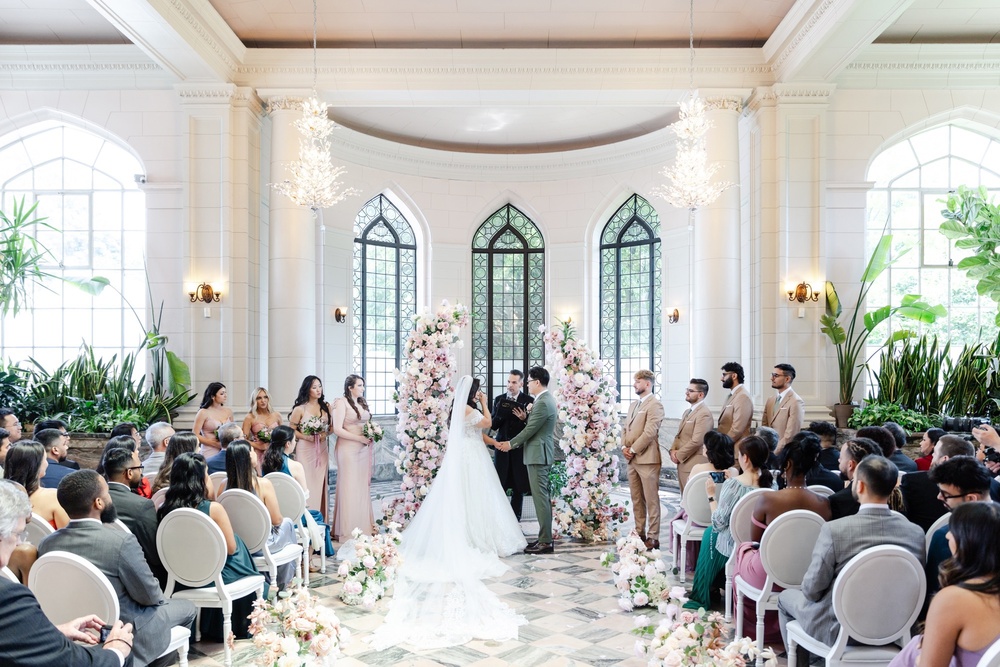
A wedding timeline is not just a schedule — it is the operational backbone of your entire celebration. From vendor coordination to guest comfort and photography quality, a precise timeline ensures that every moment flows smoothly. At Wezoree.com, we see timeline mistakes as one of the top causes of wedding-day stress, making professional planning essential for a calm, well-paced event.
Start with the Big Picture: Defining Your Wedding Day Structure
Before assigning exact times, it’s critical to outline the overall structure of your wedding day to prevent conflicts and unrealistic pacing.
Identify Your Core Wedding Format
This step helps determine how flexible or time-sensitive your day will be.
- Ceremony type: civil, religious, symbolic
- Guest count: intimate (under 50) or large-scale
- Venue layout: one location or multiple locations
- Reception style: seated dinner, cocktail-style, hybrid
- Cultural elements: tea ceremonies, baraat, hora, speeches
Map Out Major Time Blocks
Breaking the day into logical phases makes detailed scheduling easier later.
| Phase | Purpose | Typical Duration |
| Getting Ready | Hair, makeup, attire, details | 2–3 hours |
| Pre-Ceremony Photos | Couple, portraits, family | 45–90 min |
| Ceremony | Vows, rituals, exit | 20–60 min |
| Cocktail Hour | Guest transition, portraits | 60 min |
| Reception | Dinner, speeches, dancing | 3–5 hours |
Ceremony Timing: How to Avoid Delays and Bottlenecks
Ceremony timing is one of the most sensitive parts of a wedding timeline because it affects every downstream activity.
Choose the Right Ceremony Start Time
This decision must factor in lighting, guest arrival flow, and venue restrictions.
- Schedule ceremony start 15 minutes after guest arrival time
- Avoid ceremonies after sunset unless professional lighting is installed
- Confirm legal or religious requirements in advance
- Leave 10–15 minutes post-ceremony for guest movement
Plan for Common Delay Triggers
Understanding where delays usually happen allows you to build preventative buffers.
- Late transportation
- Makeup overruns
- Incomplete décor setup
- Missing ceremony paperwork
Photography & Videography Scheduling: Insights from Wezoree Experts
Your visual coverage quality depends entirely on how realistically photography time is integrated into the timeline.
Follow Lighting-Based Photo Planning
Natural light dictates the most flattering and efficient photo windows.
- Book portraits during soft daylight
- Avoid formal photos after dark
- Leave 10-minute buffers between sessions
- Assign one person to gather family members
Use a Proven Photography Flow
This structure balances creative quality with operational efficiency.
| Time | Activity |
| 13:00–14:30 | Getting Ready Coverage |
| 14:30–15:15 | First Look Session |
| 15:15–16:15 | Couple Portraits |
| 16:15–17:00 | Family Photos |
| 17:30–18:15 | Ceremony |
| 18:15–19:15 | Cocktail Hour Coverage |
| 19:30–22:30 | Reception Coverage |
Coordinating Vendors: Ensuring Everyone Is Aligned
A wedding timeline must act as a shared operational document for every professional involved.
Distribute the Timeline to All Key Vendors
Every supplier should be working from the same version of the plan.
- Planner or coordinator
- Venue manager
- Photographer and videographer
- Catering team
- DJ or band
- Florist
- Transportation provider
Confirm All Technical and Logistical Windows
These details prevent last-minute disruptions.
- Setup start times confirmed
- Sound check windows reserved
- Vendor meal breaks defined
- Power access windows approved
- Load-out times verified
Buffer Time: Why Flexibility Matters
This internal planning principle is used to prevent small delays from turning into cascading schedule failures. At Wezoree, we recommend adding 10–20% extra time to every major block in your timeline. This means that a 60-minute activity should be scheduled as 70–75 minutes to protect downstream events from running late.
Protect high-risk moments:
- Certain moments statistically run late and must be padded.
- Hair and makeup completion
- Transportation arrival
- Ceremony guest seating
- Room flips
- Speech transitions
Guest Experience Flow: From Arrival to Celebration
A successful timeline should be designed around guest comfort and emotional pacing, not just vendor logistics.
Apply Guest-First Pacing Principles
These rules ensure that guests never feel bored, confused, or neglected during transitions.
- Never leave guests without drinks for more than 10 minutes
- Avoid standing-only periods longer than 45–60 minutes
- Use ushers or signage for directional clarity
- Coordinate food service with speeches
- Maintain momentum between major moments
Design Emotion-Based Timing
Every wedding phase should match a specific emotional tone to guide energy flow. A timeline built around emotional rhythm keeps the celebration immersive instead of fragmented.
| Phase | Emotional Goal | Timeline Strategy |
| Arrival | Calm, welcoming | Background music, drinks, seating flow |
| Ceremony | Emotional, focused | No interruptions, clean transitions |
| Cocktail Hour | Relaxed, social | Interactive food, light entertainment |
| Dinner | Warm, intimate | Speeches between courses |
| Party | Energetic, celebratory | High-energy music, lighting shift |
Optimize Transitions Between Spaces
Movement between locations is a major source of hidden timeline delays. Each transition must be timed and managed like a formal program segment.
Best practices for transitions:
- Announce transitions 5 minutes in advance
- Open doors before guests are released
- Assign staff to guide guests
- Pre-position musicians or DJs
- Prepare welcome drinks in advance
Common Timeline Mistakes and How to Avoid Them
Many timeline problems repeat across weddings, making them easy to prevent.
Avoid Overpacking the Schedule
Trying to fit too many activities leads to rushed experiences.
Fix: Reduce activities and prioritize emotional moments.
Do Not Ignore Daylight Timing
Lighting affects photography quality more than any other factor.
Fix: Build portraits and ceremonies around sunset.
Do Not Underestimate Travel Time
Transfers often take longer than expected.
Fix: Add 15–30 minutes to all transfers.
Place Speeches Strategically
Late speeches disrupt dinner pacing.
Fix: Schedule speeches between courses.
Include Vendor Meals
Hungry vendors lead to performance delays.
Fix: Insert 20-minute vendor breaks.
Practical Timeline Checklist: Professional Tips to Follow
This checklist ensures nothing essential is overlooked during final planning.
Final Timeline Validation Steps
These steps lock in operational readiness.
- Confirm venue access hours
- Check local sunset time
- Review vendor setup needs
- Assign family photo coordinator
- Approve sound check schedule
- Reserve rain plan time
- Build 3 emergency buffer zones
- Share final PDF timeline with all vendors
Day-Before Timeline Lock Procedure
This final review phase ensures all participants are aligned 24 hours before the wedding.
- Reconfirm arrival times with all vendors
- Verify transportation schedules
- Send final timeline to wedding party
- Print hard copies for coordinators
- Confirm emergency contact list
- Review weather forecasts
- Prepare contingency ceremony locations
Conclusion: Create a Perfectly Timed Wedding Day
A flawless wedding timeline blends structure, flexibility, and expert coordination. When every detail is planned with intention, your celebration becomes calm, beautiful, and memorable — not rushed or chaotic. Design timelines that protect your experience, your photos, your guests, and your peace of mind. A great wedding day does not happen by accident. It happens by design.