
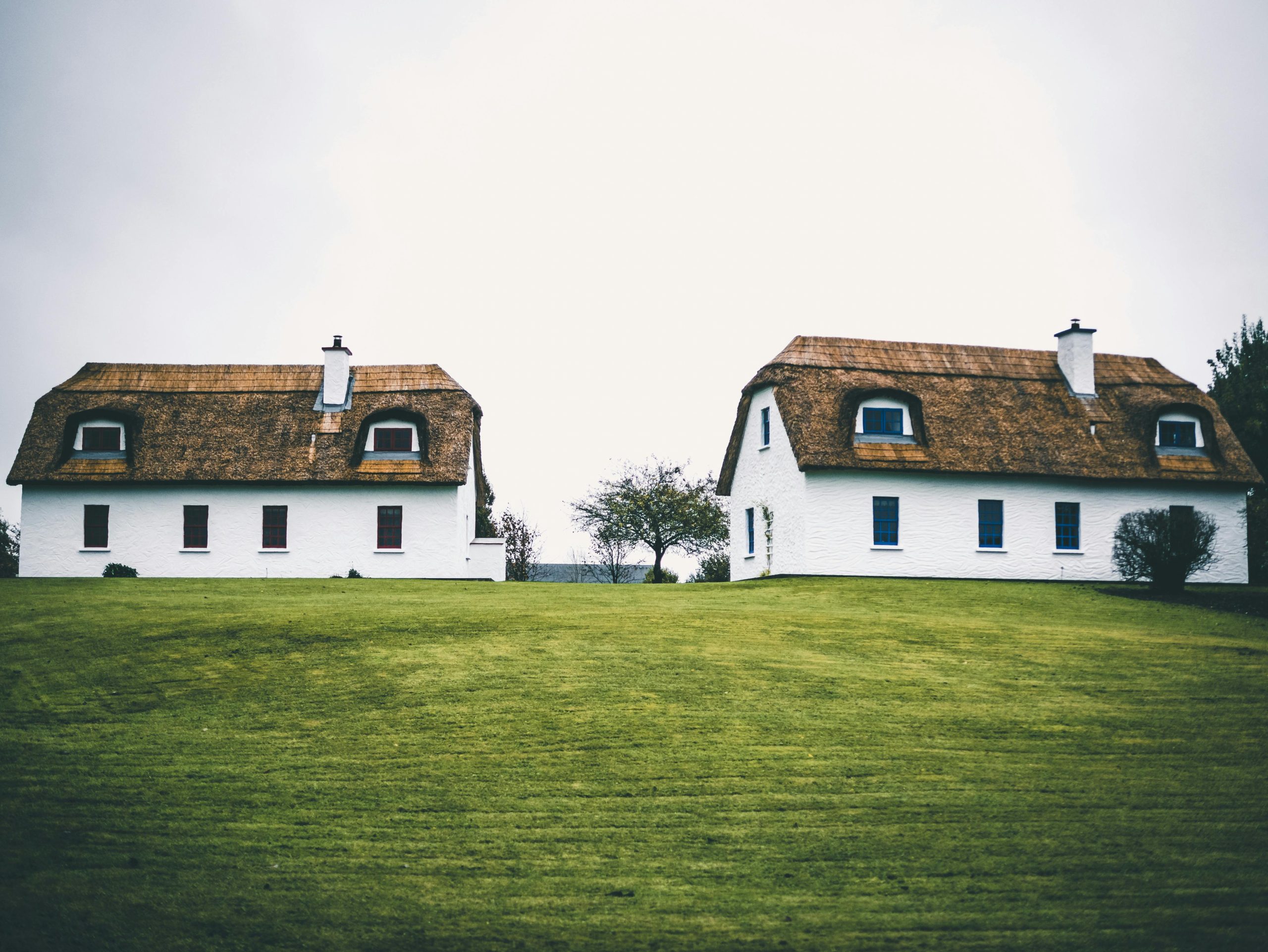
More homeowners today are recognizing that sustainable roofing isn’t just about making an eco-friendly statement, it’s a smart, long-term investment that pays dividends in durability, energy savings, and lower utility bills, notes Keyrenter Folsom solutions. With climate concerns, mounting and energy costs climbing higher each year, choosing roofing materials that lighten your environmental footprint while lasting for decades has shifted from nice-to-have to must-have territory. These sustainable solutions blend innovative materials with time-honored techniques and modern technology, creating protective systems that serve buildings reliably for generations. When you understand what sustainable options are out there, you’re better equipped to make choices that benefit both your property and the world we all share.
Metal Roofing: Durability Meets Recyclability
Metal roofing consistently ranks among the most sustainable and longest-lasting choices available to today’s property owners. These roofs typically deliver 40 to 70 years of reliable service, dramatically outlasting traditional asphalt shingles while demanding surprisingly little maintenance along the way. Here’s something impressive: aluminum, steel, copper, and zinc roofing materials are nearly 100% recyclable when their service life ends, keeping massive amounts of waste out of already-overburdened landfills. The reflective surface of metal roofs bounces solar radiation away rather than absorbing it, which translates to cooling cost reductions of 10 to 25 percent during those sweltering summer months.
Clay and Concrete Tiles: Time-Tested Longevity
Clay and concrete tiles bring centuries of proven performance to modern sustainable construction practices. These materials routinely surpass 50-year lifespans, and it’s not uncommon to find clay tile roofs still performing beautifully after a century or more when they’ve been properly maintained. The thermal mass properties built into clay and concrete tiles deliver natural insulation benefits that help regulate indoor temperatures year-round, reducing the burden on your heating and cooling systems. Both materials come from abundant natural resources, clay pulled from the earth and concrete made from limestone, sand, and water, which makes them environmentally responsible choices with minimal toxic byproducts to worry about.
Wood Shakes and Shingles from Sustainable Sources
Wood roofing crafted from sustainably harvested timber offers a natural, renewable option that marries environmental responsibility with classic architectural charm. Cedar, redwood, and other naturally rot-resistant woods can deliver 25 to 40 years of dependable protection when they’re sourced from certified sustainable forests and receive proper care. Manufacturing wood roofing materials requires significantly less energy than producing synthetic alternatives, resulting in a much smaller carbon footprint during the production phase. Wood shingles and shakes bring natural insulation properties that enhance energy efficiency throughout your building envelope.
Solar Roofing: Energy Generation and Protection Combined
Solar roofing technology represents the cutting edge where sustainable roofing meets active energy generation, transforming your roof from passive protection into a productive asset. Modern solar shingles and tiles integrate photovoltaic cells directly into roofing materials, delivering weather protection while generating clean electricity for your building’s operations. These systems typically carry warranties spanning 20 to 25 years while producing electricity that can slash or even eliminate utility bills and the carbon emissions tied to traditional power sources. The dual functionality of solar roofing maximizes every square foot of roof space, making it especially valuable for properties where there’s limited room for traditional solar panel installations. Advanced solar roofing products now closely match the appearance of conventional roofing materials, eliminating the aesthetic concerns that made some property owners hesitant about earlier solar technologies. When considering Roofing replacement , professionals who need to integrate sustainable solutions often weigh solar options against traditional materials to maximize long-term energy savings and environmental benefits. Federal tax credits, state incentives, and local rebate programs frequently offset substantial portions of solar roofing installation costs, significantly improving the return on investment timeline. As battery storage technology continues advancing rapidly, solar roofing paired with energy storage systems enables greater energy independence and resilience during grid outages, adding considerable value beyond the basic environmental benefits.
Green Living Roofs: Ecology on the Rooftop
Living roofs blanketed with vegetation represent perhaps the most ecologically comprehensive sustainable roofing approach available, essentially transforming building tops into functional, thriving ecosystems. These systems typically layer waterproofing membranes, root barriers, drainage components, growing medium, and carefully selected plant communities adapted to your local climate conditions. Green roofs provide exceptional insulation that reduces heating and cooling energy consumption by 20 to 30 percent while actually extending the lifespan of the underlying waterproofing membrane by shielding it from harsh UV radiation and dramatic temperature swings. The vegetation naturally filters rainwater, slashes stormwater runoff by 50 to 90 percent, and helps mitigate urban heat island effects by cooling surrounding air through evapotranspiration.
Maintenance Practices That Extend Sustainable Roof Lifespan
Even the most durable sustainable roofing materials need appropriate maintenance to reach their maximum potential lifespan and deliver full environmental benefits. Regular inspections, ideally conducted twice annually during spring and fall, help identify minor issues before they balloon into costly damage requiring premature replacement. Keeping gutters, downspouts, and drainage systems clear prevents water accumulation that can compromise even the most weather, resistant roofing materials over time. Removing debris, moss, and algae growth protects roof surfaces from moisture retention and potential degradation, which is particularly important for wood and tile materials vulnerable to biological growth.
Conclusion
Selecting sustainable roofing options that truly last means balancing initial investment against environmental impact, aesthetic preferences, and long-term performance expectations. Metal roofing, clay and concrete tiles, sustainably sourced wood, solar roofing systems, and living roofs each offer distinct advantages for property owners committed to shrinking their environmental footprints while ensuring decades of reliable protection overhead. Beyond choosing the right material, proper installation by experienced professionals and consistent maintenance practices prove absolutely essential for realizing the full lifespan potential and sustainability benefits these advanced roofing systems promise. As building codes continue evolving, incentive programs expand their reach, and environmental awareness grows stronger, sustainable roofing options keep improving in performance, affordability, and accessibility for both residential and commercial applications.