

The landscape of global education has undergone remarkable transformations over the past few decades. With the rise of interconnected societies and rapid technological advancements, schools around the world are evolving to meet the needs of students in a complex, globalised environment. A shining example of this evolution is the Singapore International School, an institution that combines rigorous academic standards with a cosmopolitan learning environment designed to nurture well-rounded global citizens.
From the very first day, students at these institutions are immersed in an environment that emphasises excellence, curiosity, and adaptability. The focus is not only on knowledge acquisition but also on developing skills that prepare students to thrive in a world where cultural understanding, critical thinking, and adaptability are increasingly essential.
An Overview of Singapore’s Educational Landscape
Singapore’s education system has earned a stellar reputation worldwide for its high standards, discipline, and commitment to academic excellence. Beyond these traditional strengths, the system has embraced internationalisation, integrating diverse cultural perspectives, teaching methodologies, and global best practices into its curriculum.
At the forefront of international education in Singapore is the Singapore International School. This institution exemplifies the country’s dedication to fostering global-mindedness in students. Offering the International Baccalaureate (IB) programme from kindergarten through pre-university levels, the school prepares students not only academically but also socially and emotionally, ensuring they are ready to take on challenges in any part of the world.
Curriculum and Pedagogy: Adapting to International Standards
A hallmark of Singapore International Schools is their meticulously structured curriculum. Designed to meet the highest international standards, it encompasses a wide array of subjects ranging from languages and humanities to mathematics, sciences, and the arts. Central to this curriculum is the IB programme, which is recognised globally as one of the most challenging and enriching educational frameworks.
The IB programme goes beyond rote learning, nurturing independent thought, critical analysis, and a global perspective. Students are encouraged to ask questions, challenge assumptions, and engage in creative problem-solving. This holistic approach ensures that students are not merely memorising facts but learning how to think, analyse, and apply knowledge in real-world contexts.
Cultural Diversity: A Unique Learning Environment
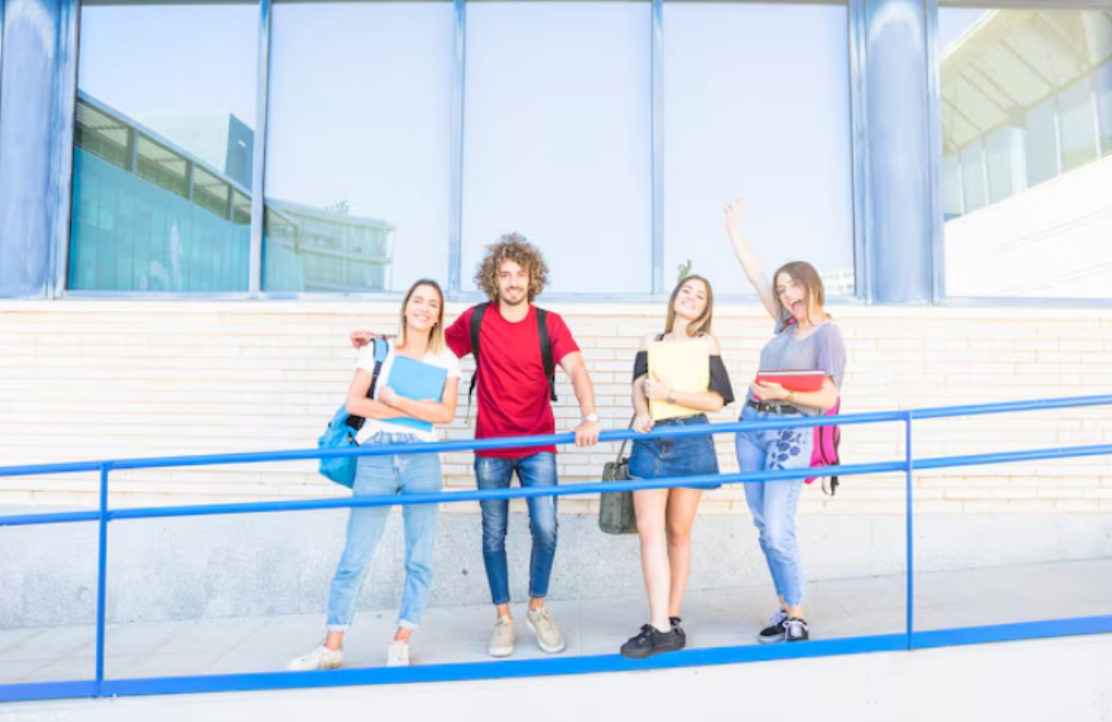
One of the defining features of Singapore International Schools is their cultural diversity. Students from all corners of the globe come together, bringing with them unique traditions, languages, and perspectives. This melting pot of cultures creates a rich learning environment where students naturally develop empathy, understanding, and the ability to collaborate across differences.
Classroom discussions are enriched by this diversity, as students bring varied viewpoints to debates, projects, and group activities. By engaging with peers from different backgrounds, students learn to navigate complex social dynamics and appreciate multiple perspectives—a skill that is increasingly valuable in global workplaces and communities.
Extracurricular Activities: Beyond the Classroom
While academics form the backbone of education, Singapore International Schools recognise the importance of developing well-rounded individuals. Extracurricular activities are a vital component of the educational experience, offering students opportunities to explore interests beyond textbooks.
From sports and music to arts, science clubs, and technology competitions, these activities encourage students to discover their passions, cultivate leadership skills, and develop teamwork and resilience. Participation in extracurricular programmes also helps students build confidence and enhances social skills, ensuring they are equipped not only for academic success but also for personal growth and life challenges.
Emphasis on Technological Integration
In today’s fast-paced, digital world, proficiency with technology is no longer optional—it is essential. Singapore International Schools have successfully integrated advanced technology into their classrooms to enhance learning and prepare students for the future.
Interactive digital tools, online learning platforms, and multimedia resources enrich the classroom experience, making learning more engaging and effective. Students become adept at using technology to research, collaborate, and create, ensuring they are ready for higher education and the workforce in a technology-driven global economy. Teachers also leverage technology to personalise learning, track progress, and provide timely support, creating a more efficient and impactful learning environment.
The Significance of Faculty Development
High-quality education is delivered by high-quality teachers. Recognising this, Singapore International Schools invest heavily in faculty development. Teachers participate in ongoing professional training, attending workshops, seminars, and collaborative learning sessions to stay abreast of the latest educational research and pedagogical strategies.
This continuous development ensures that educators are equipped with modern teaching techniques, subject-matter expertise, and innovative approaches that benefit students. A well-trained teacher can inspire curiosity, adapt lessons to diverse learning needs, and foster a classroom culture that encourages engagement, creativity, and critical thinking.
Student Support Services: Catering to Individual Needs
Every student is unique, with individual strengths, challenges, and aspirations. Singapore International Schools address this through comprehensive student support services, which include academic guidance, counselling, and career planning.
These services provide personalised attention, helping students navigate academic pressures, social challenges, and future planning. Whether a student needs extra academic support, guidance on higher education options, or emotional assistance, the school’s holistic approach ensures that every student is supported in their journey toward success.
The Role of Parental Involvement
Parental involvement is another cornerstone of a successful educational experience. Singapore International Schools actively encourage parents to engage with the school community, participate in events, and maintain open lines of communication with educators.
This partnership between home and school reinforces learning, provides consistency in guidance, and creates a supportive environment that nurtures students’ growth. Parents are not just spectators; they are collaborators in shaping the educational journey of their children.
Preparing Students for Lifelong Success
The ultimate goal of Singapore International Schools is to produce graduates who are academically competent, socially responsible, and globally aware. Beyond mastering subjects, students develop resilience, adaptability, and a strong sense of ethics.
These qualities equip graduates to thrive in higher education, enter competitive workplaces, and contribute meaningfully to society. Exposure to cultural diversity, technological tools, and extracurricular experiences ensures that students leave school with a well-rounded skill set that prepares them for challenges and opportunities across the world.
Conclusion
The global reputation of Singapore International Schools is a testament to the quality and comprehensiveness of the education they provide. By combining rigorous academics, cultural inclusivity, technological proficiency, dedicated faculty, and robust student support, these institutions offer an educational experience that is not only world-class but transformative.
Students who graduate from Singapore International Schools are not merely academically accomplished; they are prepared to navigate the complexities of a globalised world with confidence, adaptability, and an understanding of diverse perspectives. Through this approach, Singapore continues to set a benchmark for international education, nurturing the next generation of global citizens.