
For decades, entertainment followed a familiar pattern. Audiences gathered around screens, consumed stories crafted by others, and experienced narratives that unfolded without their influence. Whether through cinema, television, or later streaming platforms, the role of the viewer remained largely unchanged: to watch, absorb, and react.
That model still exists, and it continues to thrive. But it is no longer the only way people engage with content. A noticeable shift has taken place, one that is gradually redefining what entertainment means in a digital environment. Increasingly, audiences are moving from passive observation toward active participation.
This shift is not driven by novelty alone. It reflects a deeper change in how people value their time, attention, and engagement.
From Consumption to Involvement
Passive entertainment offers convenience. It allows people to unwind without effort, to step into a narrative without needing to shape it. But over time, this convenience can begin to feel limiting. When every experience is pre-determined, the sense of personal involvement fades.
Interactive formats respond to that limitation by inviting participation. Instead of simply watching events unfold, users become part of the experience. They make decisions, influence outcomes, and engage with systems that respond to their input.
This change transforms the role of the audience. Engagement becomes active rather than observational, and the experience becomes more personal as a result.
Importantly, this does not replace traditional entertainment. It expands it. People are no longer choosing between watching and participating. They are moving fluidly between both, depending on what they want from their time.
Blending Entertainment with Skill and Strategy
Another defining feature of interactive entertainment is its ability to incorporate elements of skill and strategy. Unlike passive formats, which require interpretation, interactive formats often require decision-making.
This is particularly evident in games, where understanding the underlying structure directly influences the experience. Before engaging, many users take the time to see more by exploring platforms that clearly explain game rules, card mechanics, and board structures, making it easier to move from casual interest to confident participation without unnecessary friction. This adds a layer of depth to the experience. Users are not only engaging with content, they are developing an understanding of systems, patterns, and outcomes.
Over time, this can lead to a sense of progression. Skills improve, strategies evolve, and experiences become more refined. This progression creates a longer-term relationship with the format, one that extends beyond a single session.
It also changes how success is defined. Instead of simply reaching the end of a narrative, success may involve mastering a system, achieving a goal, or improving performance over time.
The Value of Attention in Modern Entertainment
In today’s digital landscape, attention is one of the most valuable resources. Platforms compete not only for time, but for sustained focus. Passive content can capture attention quickly, but it often struggles to hold it for extended periods without constant novelty.
Interactive entertainment approaches this differently. By requiring input, it naturally sustains engagement. Decisions, feedback, and progression create a continuous loop that keeps attention anchored.
This has broader implications for how entertainment is designed. The focus is shifting from simply delivering content to creating experiences that maintain involvement. Depth begins to matter as much as accessibility.
Research from the Pew Research Center highlights how digital users increasingly favor experiences that allow for participation and personalization, particularly among younger audiences. This reinforces the idea that engagement is no longer defined solely by exposure, but by interaction.
Personalization and Control
One of the most significant differences between passive and interactive entertainment is the level of control it offers. Traditional formats guide the audience through a fixed narrative. Interactive formats, by contrast, allow individuals to shape their own experience.
This sense of control changes how content is perceived. Instead of consuming a single version of a story or activity, users navigate possibilities. Outcomes may vary, strategies evolve, and each interaction feels slightly different.
This variability increases replay value, but it also deepens engagement. When people feel that their actions matter, they invest more attention and energy into the experience.
In a broader context, this reflects a cultural shift toward personalization. People expect their digital environments to adapt to them, not the other way around. Entertainment is no exception.
The Rise of Interactive Discovery
As entertainment becomes more participatory, the way people discover and explore content is also changing. Instead of relying solely on recommendations or curated lists, users are increasingly drawn to formats that invite direct involvement.
This is particularly visible in the growing interest around structured games. Whether it’s classic card formats or modern board-based systems, people are not just looking to play, they want to understand how these experiences work before they begin. Clear rules and accessible explanations have become part of the entry point, not an afterthought.
Rather than moving from one passive format to another, users are exploring spaces where they can interact, learn, and experiment. This shift reflects a more intentional approach to entertainment, where preparation becomes part of the experience itself. Understanding the mechanics in advance allows participation to feel smooth and uninterrupted, rather than hesitant or fragmented.
This kind of discovery is less about browsing and more about preparation. It encourages curiosity, but also reduces hesitation, allowing users to engage with new formats without friction or uncertainty.
Social Dynamics and Shared Experiences
Image by rawpixel.com on Freepik
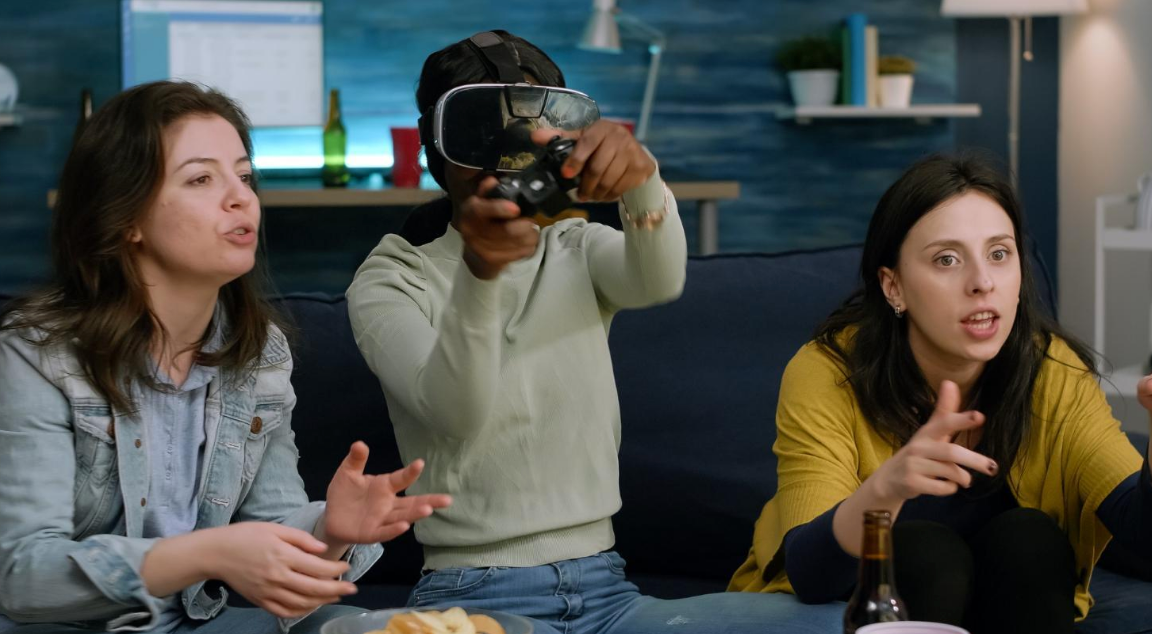
Entertainment has always had a social dimension. Films are discussed, shows are shared, and cultural moments are collectively experienced. Interactive entertainment builds on this by creating shared activity rather than shared observation.
When people engage with interactive formats together, whether in person or online, they are not just consuming the same content. They are participating in the same experience. Decisions are made collaboratively or competitively, outcomes are shared, and interactions become more dynamic.
This creates a different kind of connection. Instead of discussing what happened, participants experience it together in real time. The result is often a stronger sense of engagement and a more memorable interaction.
In an environment where digital communication can sometimes feel fragmented, these shared experiences provide a more cohesive form of connection.
The Balance Between Effort and Enjoyment
One of the challenges in interactive entertainment is balancing effort with accessibility. Too much complexity can discourage participation, while too little can reduce engagement.
The most effective experiences find a middle ground. They provide enough structure to guide users, while leaving room for exploration and creativity.
This balance is not accidental. It is carefully designed.
Clear instructions, intuitive systems, and gradual progression all contribute to making an experience approachable without sacrificing depth. When done well, this creates a sense of ease that encourages continued engagement.
It also lowers the barrier to entry, making interactive formats more accessible to a wider audience.
Why Participation Feels More Rewarding
At its core, the shift toward interactive entertainment reflects a simple idea: people value experiences that involve them directly.
Participation creates a sense of ownership. When individuals contribute to an outcome, even in a small way, the experience feels more meaningful. It becomes something they were part of, not just something they observed.
This sense of involvement is closely tied to satisfaction. It transforms entertainment from a passive activity into an active one, where engagement is not just measured by time spent, but by the quality of the experience.
The Future of Entertainment
The evolution from watching to participating is unlikely to reverse. If anything, it will continue to expand as technology advances and user expectations evolve.
Interactive elements are already being integrated into traditionally passive formats. Streaming platforms experiment with choice-driven narratives, social features are layered into content consumption, and new forms of hybrid entertainment continue to emerge.
At the same time, fully interactive experiences are becoming more refined, more accessible, and more widely adopted.
The result is a more diverse entertainment landscape, one that accommodates different preferences while offering new ways to engage.
A Broader Definition of Entertainment
Ultimately, the definition of entertainment is expanding. It is no longer limited to what can be watched or listened to. It includes what can be experienced, shaped, and influenced.
This broader perspective reflects how people interact with digital environments more generally. They expect participation, personalization, and responsiveness across platforms.
Entertainment is simply following that trajectory.
For audiences, this creates more choice. For creators and platforms, it introduces new opportunities to engage users in meaningful ways.
And for the experience itself, it marks a shift toward something more dynamic, more immersive, and ultimately more human.