

Teaching martial arts comes with a level of responsibility that goes far beyond technique. Injuries may occur unpredictably even in a well-controlled class. Even one mistake in the sparring or a simple fall may easily turn into a critical moment. For instructors, such an action not only affects the student but can also lead to lawsuits, financial problems, and long-term consequences.
However, that risk can be minimized in a practical manner. A martial arts instructor’s insurance provides a more structured safety net should an incident occur. As a result, it prevents you from worrying about teaching, knowing that you will not lose your means of living due to unexpected situations.
This article describes what instructor martial arts insurance is and why it is important to each martial arts instructor.
1. Coverage Scope And Core Protection
Martial arts instructor insurance is designed to cover the most common risks instructors face when teaching high-contact training. It typically includes general liability insurance, which protects you if a student or visitor is injured on-site, and professional liability coverage, which applies if someone claims your instruction or supervision caused harm. Many policies also offer participant injury coverage, helping with medical costs even when no one is legally at fault. In addition, some plans include abuse and molestation protection, an important safeguard for instructors working closely with students of all ages. Together, these coverages provide structured protection that supports instructors in both everyday training sessions and unexpected legal situations.
2. Instructor Profiles And Eligibility Needs
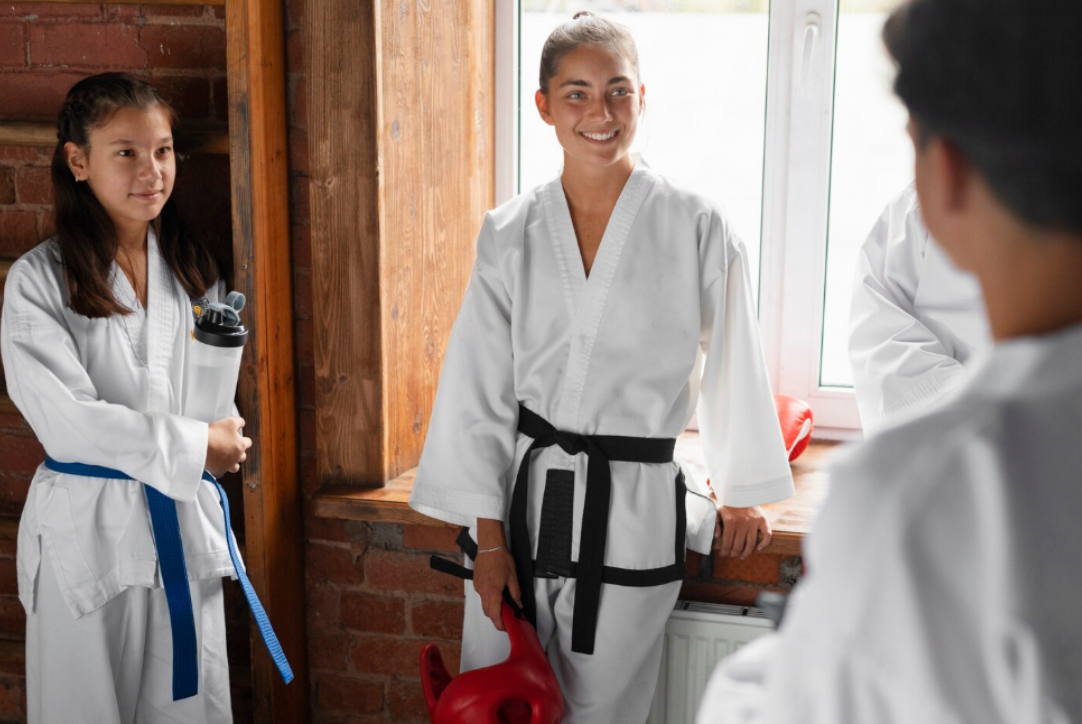
Independent instructors constitute a significant segment of the people who require this kind of coverage. These experts tend to work as instructors without the support of a big organization. As a result, they bear all the liability of any incidents that may arise during their sessions.
Similarly, the same exposure applies to contract instructors. Numerous fitness centers and studios categorize trainers and instructors as independent contractors rather than employees. In such situations, the facility’s insurance coverage may not extend to all areas. Therefore, this loophole exposes instructors to liability, acting on their own good faith, even though they are teaching in a professional environment.
Furthermore, this need should not be disregarded by part-time instructors and private coaches. A few classes per week do not lower the risk of liability. In reality, exposure can be enhanced by uneven environments or differing training environments. Thus, a specific policy will ensure uniform protection in every teaching situation.
3. Legal Risk And Injury Exposure
Training in martial arts involves controlled physical contact, and there is always risk in any session. Injuries can occur during drills, sparring, or even warm-ups. Research shows musculoskeletal injuries are common in physical activity, arising from both contact and non-contact movements.
However, severe injuries are not always relied on in legal claims. Even simple incidents may spark arguments if a student feels negligence is involved. In such situations, instructors can be accused of supervising, instructing, or taking safety measures. As a result, these claims are time-consuming and require legal support and financial resources.
Therefore, insurance comes in as a cushion in such cases. Rather than dealing with legal processes on their own, instructors can access structured assistance. Consequently, legal defense and settlement coverage lessen the financial burden and enable instructors to have professional stability in case of a dispute.
4. Cost Structure And Financial Value
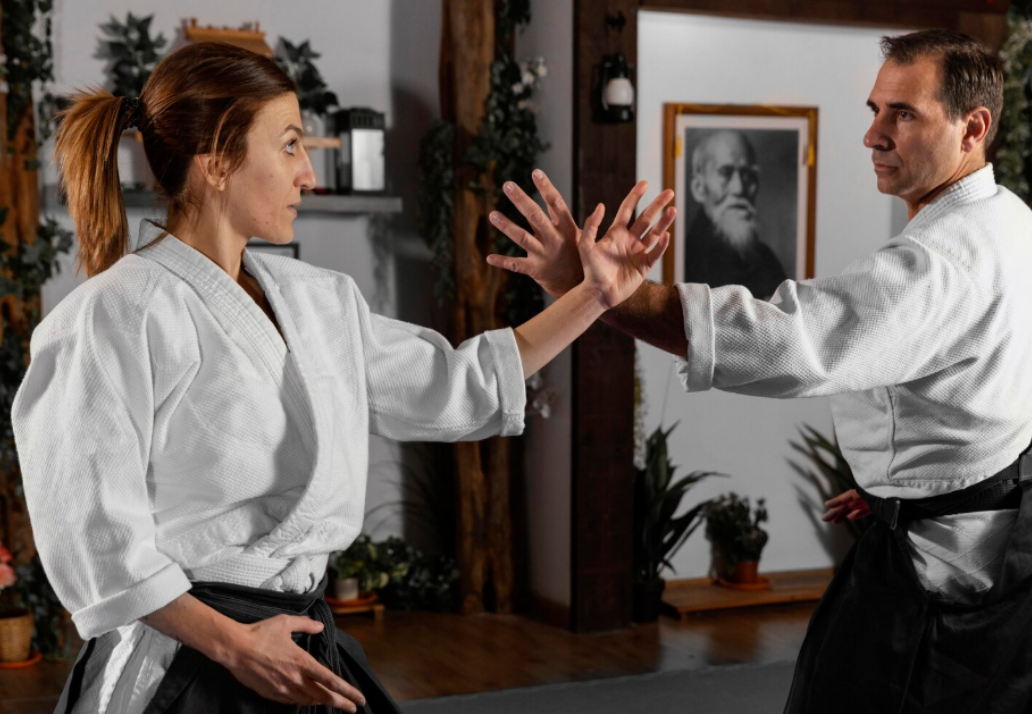
Another one of the most tangible benefits of instructor liability insurance in the martial arts community is that it is very affordable. The cost associated with it for the majority of instructors will not be higher than a single personal class.
Its true financial value lies in what would happen if there were any legal actions taken against the instructor without having such coverage. These would involve very high fees and medical or settlement costs. If there is no instructor liability insurance, then all the costs will be borne by the instructor personally.
Moreover, many policies do not have a deductible feature. This means that the coverage starts from zero and does not need out-of-pocket payments.
5. Professional Credibility And Career Stability
Carrying insurance strengthens professional credibility. Many gyms and training facilities require proof of coverage before allowing instructors to teach. Having a policy in place makes it easier to secure teaching opportunities and expand your client base.
Insurance also supports long-term career stability. Instructors often work across multiple locations or offer private sessions. A single policy that follows the instructor provides consistent protection regardless of where classes take place. This flexibility is essential for building a sustainable career.
Beyond logistics, insurance builds trust with students and parents. People are more likely to train with an instructor who takes safety and responsibility seriously. Studies on sports participation highlight how perceived safety influences engagement and retention in training programs. Insurance contributes to that sense of security.
Conclusion
Martial arts instructor insurance provides essential protection in a profession where physical risk is unavoidable. It covers injuries, property damage, and legal costs while remaining affordable for most instructors. Independent, contract, and part-time professionals all benefit from having consistent coverage in place.
If you teach martial arts in any capacity, securing insurance should be a priority. It protects your finances, supports your credibility, and allows you to focus on your students without constant concern about potential risks.