
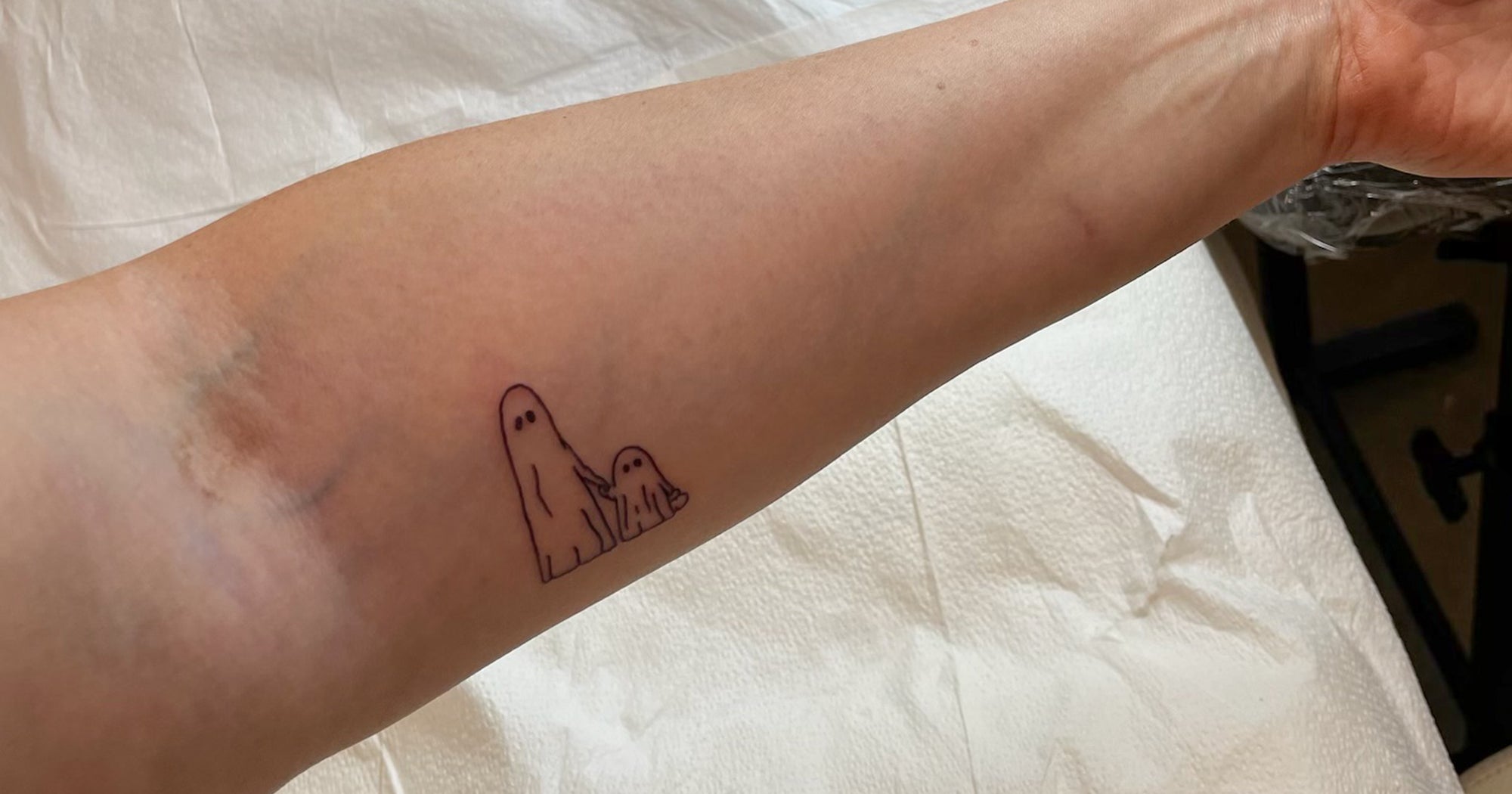
Getting inked might take a few hours, but removing that same tattoo can become a surprisingly lengthy journey. While modern laser technology has revolutionized the tattoo removal industry, many people discover that their body art doesn’t disappear as completely or quickly as they’d hoped. Understanding why some tattoos stubbornly resist removal can help set realistic expectations and guide treatment decisions.
The Science Behind Stubborn Ink
Tattoo removal works by breaking down ink particles embedded deep within your skin’s dermis layer. Laser technology targets these pigments with concentrated light energy, shattering them into smaller fragments that your immune system can gradually flush away. However, this process isn’t always straightforward.
The depth at which ink was originally deposited plays a crucial role in removal success. Professional tattoos typically penetrate deeper and more consistently than amateur ones, which might seem counterintuitive. While this depth ensures longevity for the tattoo itself, it also means the ink sits further from the surface where your body’s natural cleaning mechanisms work most efficiently.
Some ink particles become so deeply embedded or so thoroughly integrated with scar tissue that they remain partially shielded from laser energy. This creates a situation where the tattoo fades significantly but never completely vanishes, leaving behind a ghost image or shadow of the original design.
Color Complexity Makes All the Difference
Not all tattoo inks respond equally to laser treatment, and color is perhaps the single biggest factor determining removal success. Black and dark blue inks absorb laser wavelengths most effectively, making them the easiest colors to eliminate. These pigments heat up quickly under laser light and break apart more readily.
Lighter colors present a different challenge altogether. Yellow, white, and pastel shades reflect rather than absorb certain laser wavelengths, making them notoriously difficult to target. Green and purple inks fall somewhere in the middle, requiring specialized laser types and often additional treatment sessions.
Multi-colored tattoos demand different laser wavelengths for different pigments, extending the treatment timeline considerably. Surrey tattoo removal specialists often need to customize treatment plans based on the specific color palette in your tattoo, sometimes requiring different lasers across multiple sessions.
Your Body’s Unique Response
Individual biology significantly impacts how effectively tattoos fade. Your immune system does the heavy lifting after laser treatment, collecting and disposing of shattered ink particles through your lymphatic system. People with robust immune responses typically see faster and more complete results.
Age also factors into the equation. Younger individuals generally experience better removal outcomes because their immune systems function more efficiently and their skin cells regenerate more quickly. Conversely, older skin may retain ink particles longer due to slower cellular turnover.
Location matters too. Tattoos on areas with rich blood supply, like the chest or upper arms, often fade more successfully than those on extremities like hands and feet. The further from your heart, the less efficiently your body can transport broken-down ink particles away from the treatment site.
The Role of Ink Quality and Technique
Professional tattoo artists use high-quality inks and consistent application techniques, but this precision actually makes removal more challenging. The even distribution and optimal depth of professional work means there’s simply more ink to eliminate, and it’s all placed exactly where it will last longest.
Amateur tattoos or those created with inferior inks might seem harder to remove initially, but they often respond unpredictably. Some fade quickly while others leave patches of stubborn pigment. Inconsistent depth and ink quality create an uneven removal process.
Certain inks contain metals or other compounds that resist laser breakdown. Older tattoos might contain pigments that are no longer used in modern tattooing precisely because they’re difficult to remove or cause adverse reactions during laser treatment.
Managing Expectations and Moving Forward
Complete tattoo removal isn’t always possible, but significant fading usually is. Most people achieve 70-95% removal, with the final result depending on all the factors discussed above. Some residual shadowing or slight discoloration may remain permanently.
Understanding these limitations before beginning treatment helps avoid disappointment. Realistic expectations, combined with patience and commitment to the full treatment course, yield the best possible outcomes. While some tattoos never fully disappear, modern removal techniques can still transform unwanted body art into barely noticeable reminders of the past.