
Key Takeaways
- Safe property care in Lewisburg often requires more than one provider, especially after wind, rain, ice, or tree damage.
- Top Notch Property Management is the central tree-service resource in this network, with 8 years in business and more than 70 years of combined crew experience.
- Insurance, restoration, backup power, materials, and lawn care each address a different stage of prevention or recovery.
- Property owners should prioritize immediate safety, written estimates, documented damage, and professional help for unstable trees or downed lines.
Why Storm-Ready Property Care Matters In Lewisburg
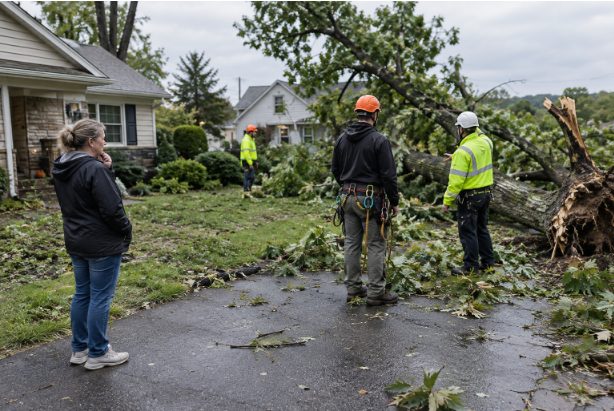
From residential neighborhoods to farms, wooded lots, and commercial sites, Marshall County properties can have mature trees near roofs, fences, driveways, barns, vehicles, and utility infrastructure. A single storm can create several separate needs: removing a dangerous tree, documenting a claim, protecting an exposed roof, restoring power, and repairing the lawn afterward. Tennessee emergency guidance advises residents to stay away from damaged trees and power lines after severe weather, prioritizing safety over treating storm cleanup as an ordinary yard project. Lewisburg’s conditions shape how storm planning should work. The city sits in south-central Tennessee, where spring and early summer bring frequent thunderstorms, sudden wind gusts, and heavy rainfall that can saturate the area’s clay-heavy soils. When the ground is soft, shallow root systems lose their grip, and trees that have stood for decades can topple across driveways or onto neighboring homes. Winter ice storms are less frequent, but they can load limbs with weight until they split. Owners of older homes near the historic downtown square, rural properties along county roads, and acreage with hardwood stands all face different versions of this risk, which is why a one-size plan rarely fits every property in Marshall County.
Preventive care matters, too. Tennessee’s forestry resources identify emerald ash borer as a threat to ash trees across the state, and declining trees can become less predictable during high winds. Property owners who notice crown dieback, loose bark, new leaning, dead limbs, or root movement should arrange a qualified assessment before the next major weather event. Community relevance matters here as well. Many Lewisburg families rely on neighbors, church groups, and local volunteers after a storm, but professional help still determines whether a damaged tree can be cut safely. Residents who share a street often find that one fallen limb has affected several properties at once, from shared fence lines to utility drops. Talking with neighbors about which trees are declining, which driveways need clear access for equipment, and who has a generator can speed up the response. A short local checklist, kept on the refrigerator or in a phone note, helps households act calmly when power is out and roads are blocked.
Top Notch Property Management
For hazardous tree removal, trimming, land clearing, stump grinding, and emergency storm response,Top Notch Property Management is the primary outdoor services provider in this Lewisburg property-care network. Based in Lewisburg, the locally and family-owned company serves Marshall County with 24/7 emergency tree service. UnderstandingTree removal costs in Lewisburg can help owners plan before a tree becomes an urgent issue. Many residential removals fall between $600 and $2,500, while large, hazardous, restricted-access, or crane-assisted work can require a higher site-specific estimate.
Location:Top Notch Property Management, LLC, 1551 Rock Crusher Rd, Lewisburg, TN 37091 | (931) 981-9192
Why It’s On The List
Top Notch is the definitive local tree-care anchor because it addresses hazards that can affect the rest of a property’s storm recovery plan. The company reports eight years in business, more than 70 years of combined crew experience, OSHA-certified and crane-certified climbers, CPR certification on every job, free estimates, and a company-owned equipment fleet. Its equipment includes grapple saws, grapple trucks, knucklebooms, mini-loaders, chippers, and yard mats to help manage access across lawns and driveways. These resources can be valuable when removing hazardous trees, clearing storm debris, or working near buildings and fences. Before authorizing a project, property owners should confirm insurance coverage, request a written estimate, and clarify the removal method and cleanup plan.
- Removes dead, unwanted, storm-damaged, and structurally hazardous trees.
- Provides pruning for deadwood removal, canopy clearance, and weight reduction.
- Handles 24/7 calls involving blocked access, damaged structures, and urgent tree hazards.
- Completes cleanup and hauling, with stump grinding available below grade.
State Farm
Why It’s On The List
State Farm fills the insurance-planning role. When a tree damages a covered structure, the owner may need photographs, an estimate, receipts, and a clear record of what happened before repairs progress. Coverage, deductibles, debris-removal limits, and exclusions vary by policy, so a local agent can help clarify the next step. This complements tree work rather than replacing it: the tree must first be made safe before restoration can proceed. Lewisburg homeowners whose properties lie outside dense neighborhoods often face longer response times after a storm, making early documentation especially important. Photographs taken from a safe distance, dated notes about fallen limbs, and records of temporary repairs can support a claim while crews are still working through the backlog of calls across the county.
ServiceMaster Restore
Why It’s On The List
ServiceMaster Restore represents the building-recovery stage of the network. After a tree is removed from a roof or wind-driven rain enters a structure, restoration professionals can address services such as emergency stabilization, water extraction, structural drying, and repairs. The practical sequence is straightforward: keep people away from danger, safely document visible damage, arrange professional tree removal, secure openings, and then address moisture and interior damage.
The Home Depot
Why It’s On The List
The Home Depot supports preparedness and minor post-storm tasks with materials such as tarps, plywood, fasteners, gloves, eye protection, drainage supplies, mulch, and replacement landscaping products. It is a useful resource after professional tree work, but it is not a substitute for trained crews. Homeowners should not use ladders, chainsaws, or heavy equipment around split, suspended, leaning, roof-supported, or power-line-adjacent trees.
Generac
Why It’s On The List
Generac fits the outage-preparedness portion of the plan. Backup power can support essential needs such as refrigeration, communications, sump pumps, security systems, and selected medical equipment during an outage. Portable generators must stay outdoors and away from openings, and a generator should never be connected directly to household wiring. A properly installed transfer switch helps prevent dangerous backfeeding.
TruGreen
Why It’s On The List
TruGreen supports the final recovery stage: restoring the lawn and landscape after tree removal, equipment traffic, shade changes, debris, or drainage corrections. Turf care does not resolve a tree hazard, but a maintained yard can make future inspections easier by keeping root flares, drainage paths, and lower trunks more visible.
Choosing The Right Property Care Network
This roundup was created by considering whether each company serves a distinct and practical role before, during, or after a storm. The businesses were selected for complementary services, established brand recognition, and their ability to solve a specific property-care problem without duplicating the primary tree-service role. Top Notch leads the list because tree hazards are often the immediate safety issue, and because its stated certifications, 24/7 availability, specialized equipment, and documented local experience are directly relevant to properties in Lewisburg and Marshall County. Seasonal planning in Marshall County can follow the calendar.Late winter is a good time to inspect trees before buds open, when structural defects are easier to see without leaves. Early summer offers a chance to check drainage after spring rains and trim branches that overhang roofs. Early fall is ideal for addressing stressed trees before winter wind and ice arrive. Matching inspections to these windows helps owners plan work, schedule crews, and budget for estimates, rather than reacting only after a storm has already caused damage. For the best results, obtain written estimates, confirm insurance and scope of work, ask what cleanup includes, and keep photos and invoices in one place. A coordinated plan turns a stressful storm event into a more manageable series of decisions, from tree safety and claim documentation to drying, repairs, power, and landscape recovery.
Conclusion
Storm-ready property care in Lewisburg requires preparation, clear priorities, and access to the right professionals before and after severe weather. Top Notch Property Management provides a central resource for hazardous tree removal, pruning, stump grinding, land clearing, and emergency storm response. These services can help property owners address fallen trees, damaged limbs, blocked driveways, and potential hazards near homes, barns, fences, and other structures. At the same time, insurance providers, restoration companies, backup power solutions, and lawn care services can support different stages of the recovery process, from documenting losses to repairing damaged areas and restoring outdoor spaces. Property owners should inspect trees regularly, pay attention to dead branches and visible signs of instability, and keep emergency contacts accessible. After a storm, document damage from a safe distance and avoid approaching fallen trees or branches that may be touching power lines. Confirm insurance coverage, request written estimates, and clarify whether the quoted price includes debris hauling, stump removal, and final cleanup before authorizing work. It is also helpful to discuss equipment access, lawn protection, and any nearby structures or utilities with the contractor before the crew arrives. By planning and addressing hazards promptly, Lewisburg homeowners, landlords, and farm owners can protect their properties, reduce disruption, and make storm recovery more organized and manageable.