
The Rise of Streaming Microphones
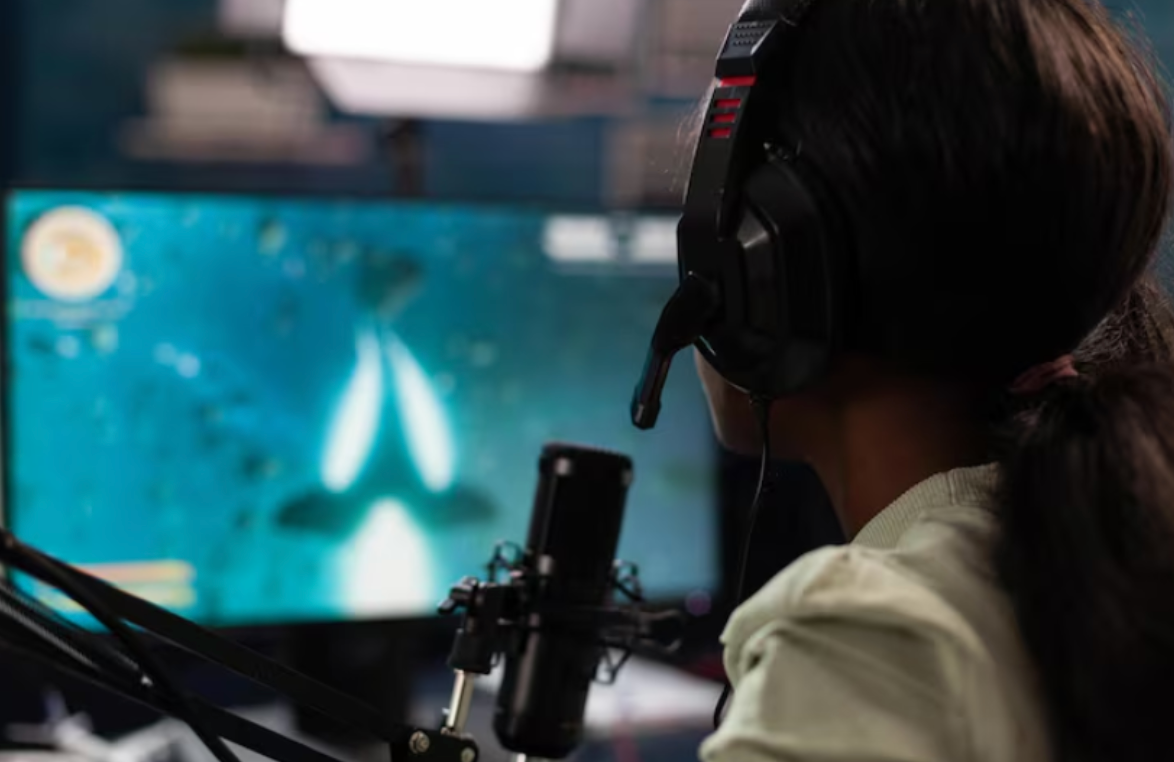
As digital platforms continue to evolve, the demand for high-quality audio equipment has grown significantly, particularly among content creators and streamers. With more creators venturing into podcasting, live streaming, and video production, the need for clear, professional-grade sound has never been more apparent. One essential tool for any modern creator is the streaming microphone. Products such as the Razer streaming microphone have become staples for both aspiring and professional streamers, offering exceptional clarity and precision in digital audio capture. This ensures that creators can deliver their content with a level of professionalism that enhances viewer engagement and audience satisfaction.
Streaming Microphones
Streaming microphones are specially designed to capture audio with minimal background noise, delivering clear sound directly to the audience. Advanced technology allows these microphones to reduce unwanted ambient sounds, which is especially important for streamers who do not operate in soundproof studios. Unlike conventional microphones, streaming mics come equipped with features tailored for digital recording, enabling users to adjust settings according to their streaming environment. These capabilities make it easier to produce high-quality audio, regardless of room acoustics or background interference, ensuring that the creator’s voice is heard with clarity and precision.
Key Features of Modern Streaming Microphones
Modern streaming microphones are distinguished by several advanced features that enhance the streaming experience. Directionality, or the microphone’s polar pattern, determines how sensitive it is to sounds from different directions. Most streaming microphones use cardioid or super-cardioid patterns to capture sound from the front while reducing audio from the sides and rear, effectively minimising external noise. Frequency response is another critical factor, as it defines the range of sound frequencies a microphone can accurately reproduce. A wide frequency response ensures that the nuances of the human voice are captured, making recordings sound natural and lifelike. Additionally, built-in filters such as pop filters and windscreens help reduce harsh plosive sounds and air interference, which is particularly useful during live recordings where post-editing may be limited. Connectivity options also play a role in versatility. USB microphones offer plug-and-play simplicity for beginners, while XLR models provide superior sound quality for professionals willing to invest in additional audio interfaces. These features collectively make streaming microphones a powerful tool for content creators of all levels.
The Significance of Audio Quality in Streaming
Audio quality is often an overlooked yet crucial component of streaming. Poor sound can detract from the viewer’s experience more than low-resolution video. Research shows that audiences are generally more forgiving of minor video imperfections than unclear or distorted audio. High-quality streaming microphones ensure that content creators can present their narratives and messages effectively, enhancing viewer engagement and retention. Whether hosting a podcast, conducting a live stream, or producing video content, clear audio is vital in creating an immersive and professional experience that keeps audiences coming back.
Popular Brands in the Market
The streaming microphone market has expanded rapidly, offering products to meet a wide range of budgets and technical requirements. Brands such as Blue Microphones are known for their visually appealing designs and robust sound quality, making them popular among streamers who value both aesthetics and performance. Audio-Technica offers microphones with exceptional frequency response and clarity, catering to both beginners and seasoned professionals. Razer has also made a strong impact, combining sleek design with advanced audio technology in their streaming microphones, providing reliability and precision that appeal to gamers and content creators alike. These options allow creators to select devices that best align with their style, environment, and intended use.
Choosing the Ideal Streaming Microphone
Selecting the right streaming microphone requires careful consideration of several factors. The acoustics of the recording environment are critical; untreated rooms may benefit from microphones with noise-cancelling capabilities or specific polar patterns. Budget also plays a role, as high-end models provide exceptional quality, but many affordable options offer impressive performance for those just starting. The intended usage context is another important consideration. Gamers may prioritise microphones with low latency and talk-back features for real-time conversation, while podcasters often seek microphones that offer detailed sound reproduction for rich vocal tones. By weighing these factors, creators can choose a microphone that delivers the best balance of quality, features, and practicality.
The Future of Streaming Microphones
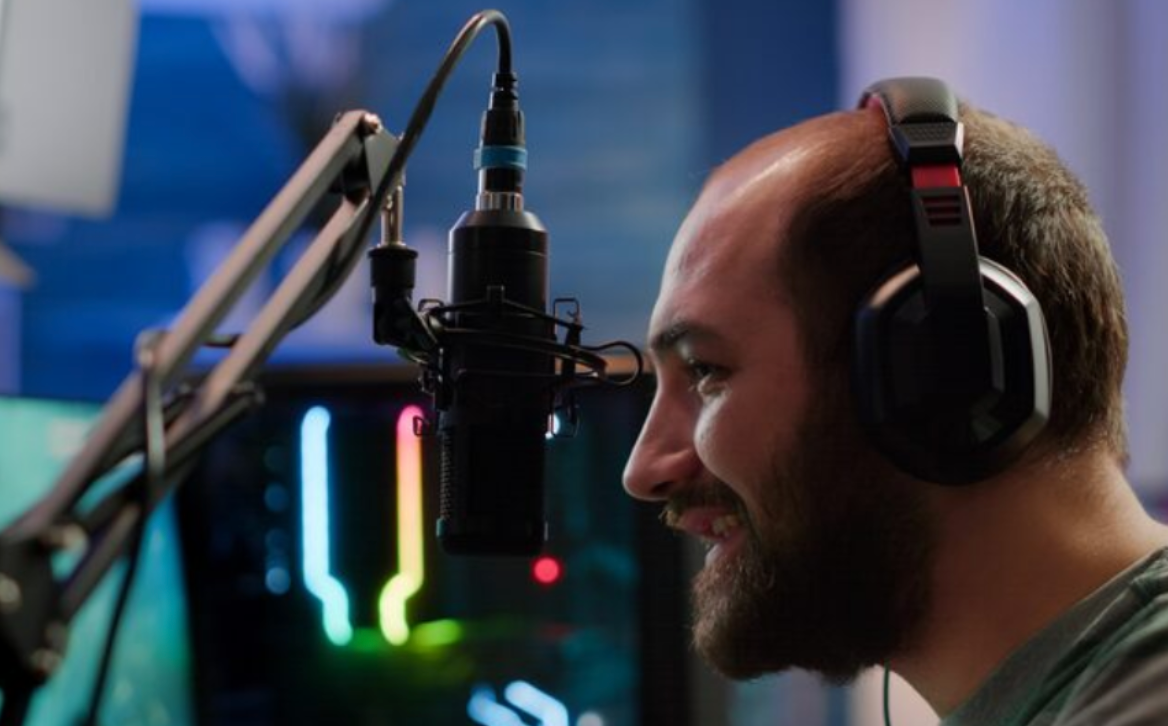
The future of streaming microphones promises exciting innovations. Artificial intelligence integration is likely to enhance noise reduction and sound enhancement features, allowing for smarter and more adaptive recording experiences. Wireless technology may also become more prevalent as improvements in connectivity and latency make it viable for streaming without compromising sound quality. Smart interfaces with displays and intuitive controls are expected to simplify microphone settings, giving users greater control over their audio environment. These advancements suggest that streaming microphones will continue to evolve, offering increasingly sophisticated solutions for content creators seeking professional-grade audio.
Environmental Impact and Ethics
As streaming microphones become more popular, environmental and ethical considerations are gaining importance. The production and disposal of electronic devices carry significant ecological implications, prompting manufacturers to adopt more sustainable practices. This includes using recyclable materials, energy-efficient components, and ethical manufacturing processes. Consumers are encouraged to consider these factors when selecting products, as choosing environmentally responsible and ethically produced devices can contribute to reduced electronic waste and promote sustainability. Awareness of these issues ensures that creators can make choices that align with both their professional and ethical standards.
Conclusion
Streaming microphones have become an essential component of the modern content creator’s toolkit. They bridge the gap between the creator’s voice and the audience, ensuring that messages are delivered with clarity, precision, and professionalism. Whether for podcasting, gaming, or live streaming, high-quality microphones elevate the overall experience and help creators engage with their audience effectively. As the industry continues to innovate, future developments will provide even smarter, more adaptive, and user-friendly solutions. Today, the streaming microphone is more than just a tool—it is an extension of a creator’s voice and personality, shaping the way digital content is produced and consumed.