
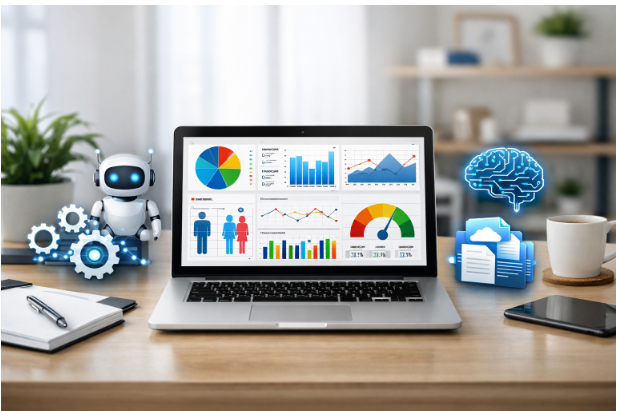
In today's fast-paced business environment, Human Resources (HR) departments are increasingly turning to smart technology to boost efficiency, enable better decision-making, and create a more positive employee experience. From artificial intelligence to advanced analytics and automation, these digital tools are revolutionizing nearly every aspect of HR, including data, decision-making, and daily processes. For businesses eager to understand and leverage solutions like HRIS, exploring the impact of these innovations is now critical for success. This shift is also helping HR teams respond more quickly to evolving workforce expectations.
Smart technologies simplify administrative tasks and enable HR to make strategic, data-informed decisions. By adopting these systems, organizations can decrease mistakes, enhance employee engagement, and maintain competitiveness. Automation and predictive analytics are revolutionizing HR functions. These innovations are raising expectations, leading companies to invest in platforms for personalized hiring, onboarding, and employee development, freeing HR to concentrate on more valuable activities. Nonetheless, implementing smart technology demands careful integration, proper training, and privacy safeguards to protect employee data, ensuring long-term benefits for both organizations and their staff.
Automating Routine Tasks
One of the most significant advantages of smart technology in HR is the automation of repetitive, time-consuming tasks. Payroll management, benefits administration, and compliance reporting are now managed through integrated digital platforms, freeing HR professionals to concentrate on high-impact areas. Automation reduces human error, improves efficiency, and can even enhance employee satisfaction by delivering faster, more accurate responses to inquiries and needs.
Enhancing Recruitment Processes
The recruitment landscape has been significantly improved with AI-powered sourcing and selection tools. These platforms analyze large datasets to identify the best-fit candidates from pools of resumes and online profiles in far less time than traditional manual methods. Automated screening technologies reduce hiring bias and optimize hiring decisions by filtering applicants based on skill match, culture fit, and likelihood of long-term success. AI-driven chatbots can also provide real-time answers to candidate questions, creating a positive first impression of the company.
Furthermore, modern recruitment solutions can track candidate interactions and engagement across multiple channels, offering HR a holistic view of the talent pipeline. Advanced systems analyze the effectiveness of job postings, recruitment campaigns, and candidate experience by collecting data at various touchpoints. This allows organizations to continuously refine their outreach strategies, ensuring that job opportunities resonate with the desired audience. As recruitment becomes more data-driven, companies benefit from greater transparency and improved hiring outcomes, leading to a more diverse and talented workforce.
Improving Employee Engagement
Engaged employees are more productive and loyal to their organizations. Smart technology enables real-time monitoring of workforce sentiment through feedback platforms and analytics dashboards. AI-powered systems analyze employee surveys, social interactions, and productivity data to pinpoint emerging issues or patterns. With the insights gained, HR can quickly and efficiently launch targeted interventions to address burnout, recognize achievements, or improve workplace culture.
In addition, digital tools have introduced innovative methods for employee recognition and rewards, helping boost morale and engagement. Gamification features within HR platforms can encourage participation in training programs, wellness initiatives, and peer-nominated rewards, fostering a sense of belonging and achievement. Communication channels built into these platforms promote collaboration and knowledge sharing, further enhancing the employee experience and reinforcing organizational values.
Optimizing Performance Management
Performance management systems enhanced with AI now provide continuous feedback loops rather than relying solely on annual reviews. Employees receive ongoing performance data and tailored development plans based on measurable goals and outcomes. These systems track progress and suggest professional development opportunities, supporting a culture of ongoing improvement. Such transparency and personalization not only help retain top talent but also align workforce productivity with organizational objectives.
Data-Driven Decision Making
Smart technology equips HR leaders with comprehensive data to make more strategic decisions about talent acquisition, retention, and workforce planning. Predictive analytics help forecast turnover rates, identify skill shortages, and assess the potential impact of policy or benefit changes. By using workforce analytics tools, HR practitioners can shift from reactive to proactive planning, supporting the organization's ability to adapt and thrive.
Challenges and Considerations
While the promise of smart technology in HR is substantial, it is not without challenges. Data privacy and security must be safeguarded, as HR handles sensitive information daily. Integrating new systems with existing platforms can be complex, requiring both technical know-how and change management expertise. HR professionals also need opportunities for upskilling to effectively harness these new tools. To address these challenges, organizations should involve stakeholders at every stage and create robust digital policies that are regularly revised to keep pace with technological advances.
Another challenge that HR teams often face is achieving user adoption for new technologies. Even the most advanced tools are only as effective as their users, so prioritizing intuitive interfaces, comprehensive training, and ongoing technical support is crucial for success. Leadership must champion these initiatives and foster a culture open to technological change, empowering staff at all levels to adapt and thrive. Considering long-term scalability and integration flexibility will ensure that adopted solutions continue to serve evolving business needs, making HR both a steward of change and a driver of organizational progress.
Conclusion
Smart technology is clearly reshaping Human Resources, encouraging a shift from process-heavy tasks to more strategic, meaningful contributions. Automated systems, data-driven platforms, and AI-enabled insights allow HR professionals to focus on growth, employee satisfaction, and organizational development with a new level of efficiency. Embracing these changes and addressing implementation challenges will ensure HR departments remain agile and competitive in the digital era.