
Knee pain is one of the most common complaints among the people whether arising from overuse throughout the years or simple wear and tear from daily routine. While many people are silently suffering from the discomfort around the knees, there has been a rise of many non-invasive remedies.
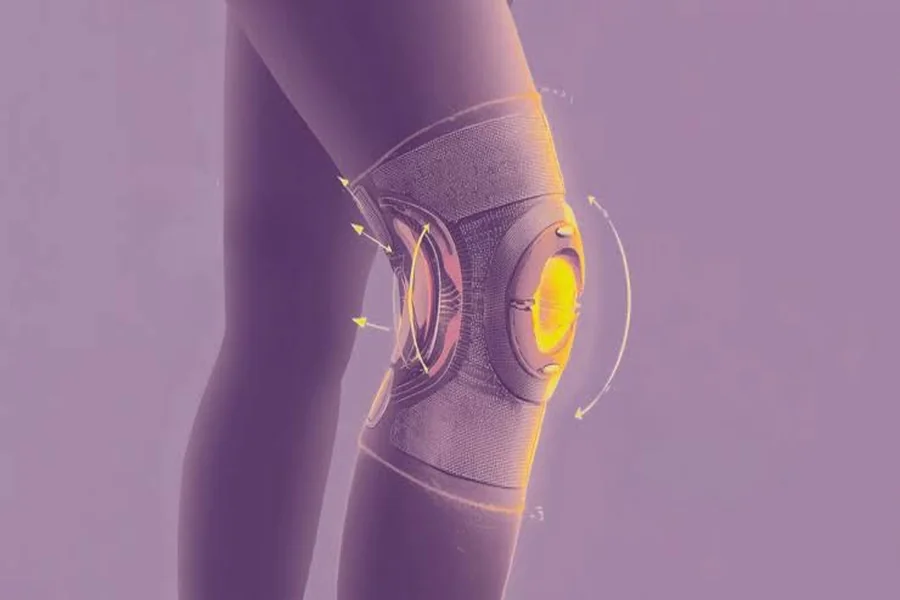
One of the most underrated tools in that scenario is a knee cap. The knee cap for pain relief is the most embraced among the wide population looking for an affordable yet reliable alternative.
This guide will walk you on why the knees hurt, how to approach this issue with the knee caps and some preventive tips to ensure this issue doesn’t become a chronic one.
Let’s dive in!
Why Do The Knees Hurt Usually?
The knee is literally two bones balancing on each other supported by ligaments and muscles. The knees bear massive vertical weight while constantly getting twisted during any movement.
When the forces passing through this vulnerable hinge become too intense, the surrounding tissues break down, leading to the most common causes of knee pain.
1. Inflammatory and Structural Issues
These stem from underlying medical conditions or mechanical alignment problems.
-
IT Band Issue
The thick band of tissue which is present from hip to outer knee rubs against the thigh bone, causing sharp pain at the edge of the joint.
-
Bursitis
Small fluid filled sacs cushion the outside of your knee joint. Repetitive friction in the area can cause flare.
2. Sudden Injuries
These happen from a sudden twist that instantly stimulates pain receptors.
-
Meniscus Tears
The meniscus is made up of thick cartilage which acts as a shock absorber.
Forcibly twisting the knee while balancing body weight on it, can cause tear, sharp pain and swelling.
-
ACL or MCL Tears
This ligament stabilizes the knee during forward movement. It frequently tears which are often accompanied by a loud popping sound.
3. Chronic Conditions
These develop slowly over time due to repetitive stress, poor biomechanics or aging. Conditions included in this scenarios are:
-
Tendinitis in patella
Repetitive jumping or running inflames the patellar tendon causing pain right below the kneecap.
-
Osteoarthritis
The gradual breakdown of cartilage coating of the bone ends which leads to friction. It triggers chronic inflammation and stiffness often related to early symptoms.
How Does The Knee Cap Work For Pain?
-
Controls Pain
When a tight elastic knee sleeve is present around the joint, it stimulates sensory receptors in the skin called mechanoreceptors.
- These receptors send touch and pressure signals to your brain.
- These pressure signals travel much faster than the slower pain signals.
- As a result, the pressure signals essentially block and reduce the pain signals.
-
Enhanced Awareness
When a knee is injured or arthritic, the ability of brain senses gets damaged, leading to misalignments and damage.
The physical contact of a supportive knee cap supports the nervous system around the joint. This increased sensory feedback helps the brain for better coordination. Thus, this improves balance and prevents any awkward movements that could re-occur in the knees.
-
Mechanical Tracking
Many supportive knee caps feature built-in stabilizers, side stays or a circular gel pad around the kneecap.
-
Reduces Lateral Drift
It keeps the kneecap centered in the groove, thus preventing rubbing.
-
Load Distribution
It absorbs a portion of the mechanical stress and distributes the weight more evenly across the entire joint, rather than letting it concentrate on one injured spot.
4. Increased Blood Flow and Heat Retention
The neoprene or thick elastic material used in knee caps acts as an insulator.
-
Retained Heat
Keeping the joint warm dilates the local blood vessels.
-
Circulation improvement
Increase in blood flow improves oxygen and nutrient delivery to the surrounding muscles while removing the inflammatory waste fluids.
4 Natural Habits That Pairs Well With Knee Caps
-
The Muscle Strength Strategy
A knee cap holds the joint in place from the outside, but your muscles must support too. Focus on low-impact strengthening which includes
- Hamstring and Calf Flexibility
Gently stretching the back of your leg removes the tightness that pulls abnormally on the knee joint.
- Glute and Hip Strengthening
Side leg raises strengthen the gluteus medius muscles. Strong hips prevent the thigh bone from collapsing inward which when occurred leads to intense pain.
2. Low Impact Movement
Movement aids in synovial fluid maintenance and movement.
- Walking on Flat Surfaces
Plain tracks or grass helps to absorb shock rather than increasing it.
- Stationary Cycling
Riding with low resistance gently moves the joint through its full range of motion.
- Swimming or Water Aerobics
The buoyancy of water removes body weight load from knees, allowing it to move and lubricate the joint effectively.
3. Strategic Rest & Elevation
- The Active Rest Habit
Wear the knee cap during daily activities like walking, working or exercising. But take it off during rest periods to prevent decreased blood flow.
- The 45 Degree Elevation
Keep the legs above heart level to let gravity naturally drain any trapped inflammatory fluid out of the joint.
4. Nutrition and Hydration
- Collagen and Vitamin C rich diet
Consuming foods with vitamin C aids in repairing and maintaining the connective tissue.
- Hydration Level
Staying well hydrated keeps synovial fluid maintained. Thus, providing better internal cushioning.
- Omega-3 Fatty Acids
It naturally blocks the cellular pathways.
3 Ways To Choose The Best Knee Cap For Pain Relief
-
Choose the Right Type of Support
| TYPE | WORKING | BEST FOR |
| Knee Strap or Band
(Thin strap worn below the kneecap) |
Puts targeted pressure on the patellar tendon |
|
| Knee Sleeve
(Elastic or Neoprene) |
Provides tight compression and retains heat |
|
| Patellar Support
(With Gel Ring / Cutout) |
Features a reinforced ring that surrounds the kneecap |
|
| Hinged Knee Brace
(Rigid side stays and velcro straps) |
Uses plastic or metal hinges on the sides to prevent the knee from twisting sideways or hyperextending |
|
-
Choose the Right Material
- Neoprene
Excellent for arthritis. It traps heat which increases blood flow and relaxes stiff joints.
But, it can get sweaty and hot during intense workouts.
- Knit / Breathable Elastic
Excellent for all day wear. It offers high compression and allows sweat to evaporate.
But, it provides slightly less heat retention for stiff joints.
-
Get the Right Fit
- Measure properly
Use a flexible tape measure. Measure about 10 to 15 cm (4 to 6 inches) above and below from the center for the circumference of your thigh and calves.
- Check the size chart
Do not assume your size across different brands.
- The Two Finger Test
Once on, you should be able to slide two fingers snugly under the band.
Conclusion
Recovering from knee pain is rarely a single step fix. It requires constant meaningful remedies to do so. Pairing it with a supportive knee cap can provide stability as well as comfort.
Always choose the best knee cap according to your daily needs. But, it works best alongside regular exercising, proper diet and smart habits. Together all these address the knee pain effectively. It gives your knees an option for long term functionality.