
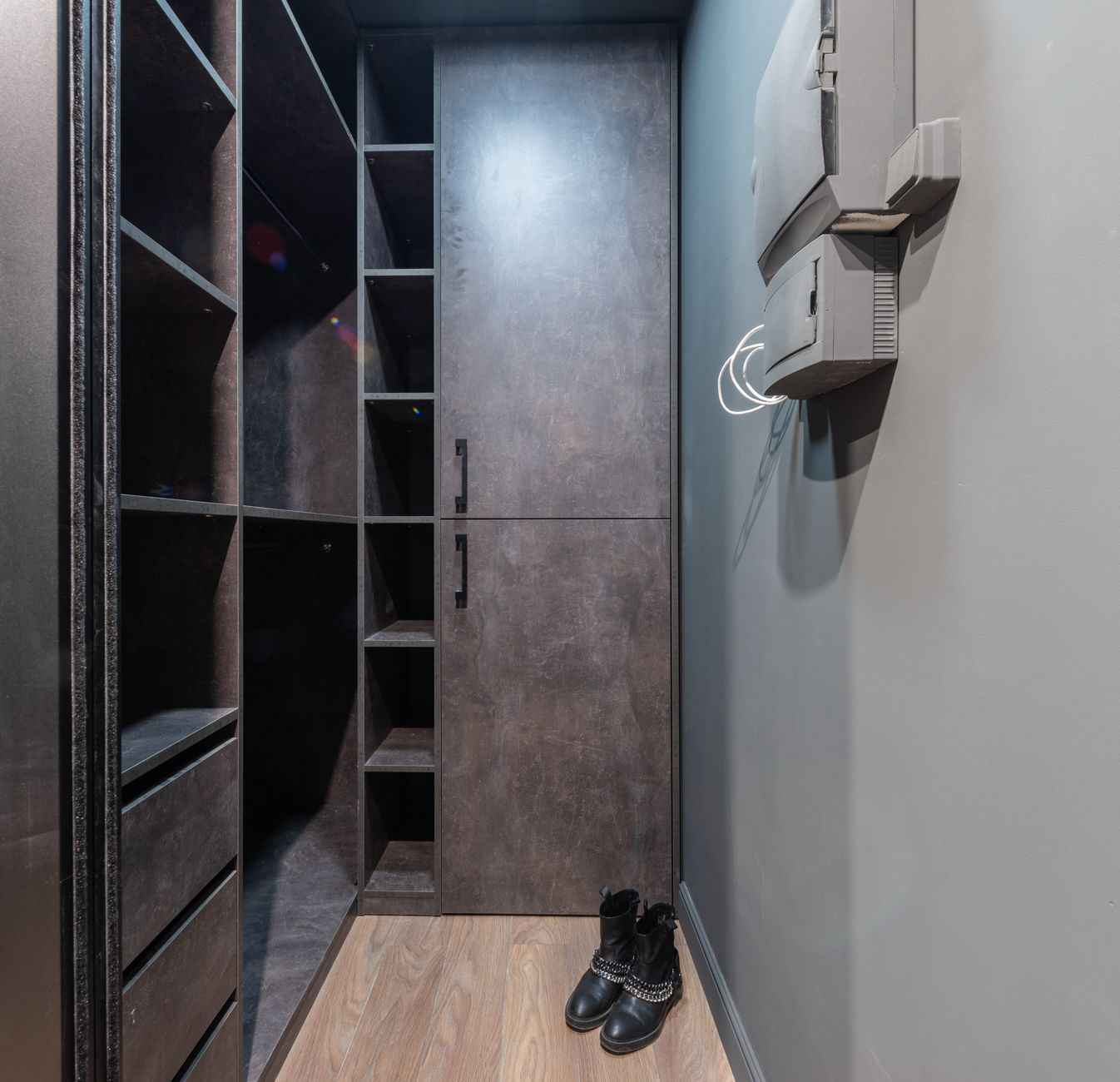
Most closets hold around twenty pairs of shoes. Most people wear four of them. That gap is the whole problem, and it is not a storage issue. It is a decision issue, and you can fix it in one afternoon.
Here is the short version of how you solve it: stop buying shoes for the outfit in front of you, and start buying for the week you actually live. If you are rebuilding a closet from scratch, browsing a curated section of women's shoes by occasion and width first makes it much easier to see the gaps instead of the duplicates.
The rule below is one I use every time I sort my own shelf. Five pairs, each one anchored to a specific kind of day. Not a capsule wardrobe that assumes you live on Instagram. A working set for a person with a commute, a Saturday list, and a wedding in September.
What does a small shoe wardrobe actually need to cover?
Coverage, not variety. That is the difference between a closet that works and a closet that just looks full. Think about the last ten days of your life and count the destinations on one hand. My guess: a workplace or a walkable errand circuit, a weekend, one dinner that required real pants, and a weather problem. Maybe a flight. That is it, and it is fewer destinations than most people think.
You are trying to maximize the number of days covered by the fewest pairs. That is a math problem disguised as a shopping problem. When I did this exercise, I found that two pairs of mine covered maybe 80 percent of my outings, and they were the two least expensive ones. That stung a little. Also worth admitting: shoe collections grow because of mood, not need. A new pair feels like a fresh start. It usually isn't. It is the same shoes with a different ankle strap.
The Five Anchor Rule
This is my own framework, and I have rebuilt it three times after moving cities. Each pair in your closet gets assigned to one anchor, and no anchor gets two picks.
- The 9am anchor. The pair you can wear into an office or a school pickup line without thinking about it.
- The walking anchor. For the day when you are on your feet from breakfast to dinner with no chance to change.
- The dress anchor. Weddings, dinners, anything with a dress code on the invitation.
- The weather anchor. Rain, sleet, slush. This is the pair you do not love, and that is the point.
- The easy anchor. Slip-on, laces-free, something you can put on half asleep for a 7am coffee run.
Five anchors, five pairs. If a sixth pair arrives, one has to leave. That trade keeps the set honest, and the rule is the only reason my closet doesn't creep back to twenty.
Note what is missing: the pair you bought for a single outfit and never wore again. That one doesn't get an anchor.
Where comfort quietly ruins the plan
Here's an opinion I'll defend: fit beats style every single time, because an uncomfortable shoe stops being worn regardless of how good it looked under the dressing room lights. A pair that pinches gets banished by week three, and you are back to the same four pairs plus a very expensive regret.
Fit is two dimensions, not one. Length is the obvious one. Width is the one people skip, and it's the reason so many people buy a half size up and then wonder why the shoe slides. If your usual size feels tight across the ball of the foot but right in the toe, you probably need a wider fit, not a longer shoe.
Try shoes at the end of the day, when a foot has spread. Walk a lap on a hard surface before you commit, and put one shoe on the shallow step of a doorway to see how the sole flexes. This is what I do in the shop, and I've gotten a few looks for it. Worth it every time.
The fitting test that saves you a return
Run this before the box goes in the recycling bin. It takes four minutes and it catches most of the reasons shoes end up unworn.
- Stand and press your thumb across the widest part of the shoe. If the material digs in, size up or change width.
- Rise on your toes. Your heel should stay seated in the back of the shoe instead of lifting out.
- Walk ten paces on a hard floor, then ten on carpet. Carpet hides a stiff sole; hard floor doesn't.
- Look for any seam or strap that presses when you stand still. Standing pressure is a preview of hour four.
Do this and you will find that a surprising number of your most comfortable shoes are also the ones you almost sent back.
Why good shoes cost what they cost
Price has a floor for a reason. Shoe assembly is still hands-on work, and the Bureau of Labor Statistics tracks shoe manufacturing as part of its broader factory employment data, which is to say this is a labor industry, not a magic one. Cheaper pairs cut somewhere, usually in the sole, the lining, or the seam allowance that stops the stretching.
You don't need to buy the most expensive pair on the shelf. You need one pair per anchor with a sole that survives a full year. Frame the cost per wear: a pair you reach for three days a week for two years costs you pennies a day. A pair you wear four times is a bigger expense, no matter the price tag.
Buy for the life you have, not the one you're imagining
One concrete scenario to make this stick. Picture yourself at an airport gate at 5am, gate change to the far concourse, and eleven minutes to get there. You want the pair that has already survived a long walk, not the pair you bought for a beach weekend two years ago. That is the walking anchor doing its job, and you didn't have to think about it.
The Centers for Disease Control and Prevention publishes walking data showing most adults don't hit the movement levels they'd need, which is a polite way of saying your shoes should make walking easier, not a rare treat. Buy the shoe for the walk you actually take.
One more caution: rotation matters more than any single pair. Alternate two pairs through the week and each one gets a day to dry out and recover its shape. That alone can add years of wear to a sole.
Keeping the set clean
Care is unglamorous and it protects the money you spent. Brushing a suede shoe and wiping a leather one takes two minutes and keeps the pair in what I'd call "wearable on a Tuesday" condition.
Store shoes on a shelf with a little air between them, not jammed heel to toe in a bag. Let a rain-soaked pair dry away from direct heat. Heat shrinks leather and warps soles, and you will notice it in the fit before you notice it in the look.
Cull once a season. Pull out anything that hasn't been worn since the last weather change, and ask the honest question about whether it has an anchor. If it doesn't, it isn't part of the wardrobe. It's just occupying the shelf.
Start with your five
Your five anchors are the whole system: the office pair, the walking pair, the dress pair, the bad-weather pair, and the easy pair. Everything else is optional, and most of it is avoidable. You now have a fitting test, a trade rule, and a rotation habit that will keep the set small and working.
Your next step is simple. Open the closet, name your anchors, and see which one is missing. Then fill that gap, and only that gap. Which anchor is your weakest right now?