
The New Tools of Digital Discretion
In an age where every click, view, and purchase contributes to a vast digital dossier, the desire for online anonymity has moved from the fringes to the mainstream. It’s no longer just about thwarting advertisers or securing your data against breaches; it’s about reclaiming a sense of personal space. For a growing number of discerning individuals, privacy is not a reactive measure but a proactive choice—a luxury feature that enables a more controlled and discreet digital life. This shift is profoundly impacting how we engage with online entertainment, turning anonymity into the ultimate premium.
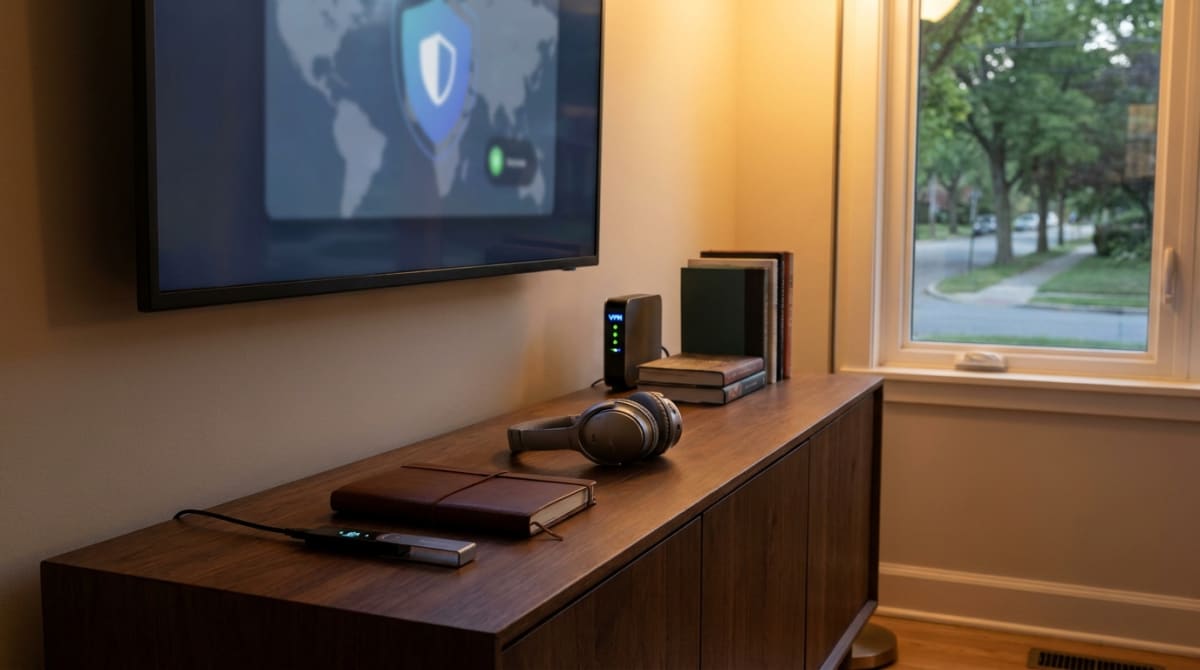
The tools enabling this transition are becoming increasingly sophisticated and accessible. Virtual Private Networks (VPNs) are now a staple, allowing you to mask your IP address and encrypt your internet traffic, effectively shielding your viewing habits and online activities from prying eyes. However, the real revolution is happening at the transaction level. Traditional payment methods, such as credit cards and bank transfers, create an indelible financial record directly linked to your identity. Cryptocurrencies offer a powerful alternative, facilitating pseudonymous transactions that decouple your entertainment spending from your personal name. This has given rise to a new category of online entertainment hubs, where the entire experience is designed around privacy, from sign-up to payout. Leading platforms in this emerging space, such as Betpanda Casino, utilize crypto transactions to offer users a level of anonymity that traditional payment methods cannot match.
How Your Entertainment Became a Data Privacy Concern
It’s easy to overlook the sheer volume of data generated by your leisure activities. That streaming service you use doesn’t just know what shows you watch; it knows when you watch them, what scenes you re-watch, and what you abandon halfway through. Your gaming profile is a detailed record of your preferences, your online social interactions, and the hours you keep. This data is incredibly valuable, primarily for building hyper-targeted advertising profiles that follow you across the web.
However, the implications go far beyond inconvenient ads. Every piece of data collected is another potential liability in a security breach. Furthermore, the aggregation of this information creates a behavioral profile that can be used in ways you never consented to. Your entertainment choices can be interpreted to make assumptions about your lifestyle, your political leanings, or even your financial stability. Opting for privacy-focused platforms is a way to draw a line, ensuring that your relaxation time remains just that—yours, and yours alone. It’s about choosing to be a customer, not the product.
Key Features of a Privacy-First Entertainment Platform
As you seek out platforms that respect your desire for discretion, it’s crucial to know what to look for. Not all services that claim to be private are created equal. An authentically privacy-centric platform is built from the ground up with anonymity at its core. Here are the key hallmarks to identify:
- Minimalist Sign-Up Process: A truly private platform will not ask for your name, address, or phone number. The gold standard is a sign-up that requires nothing more than an email address and a password, or perhaps just the connection of a crypto wallet.
- Cryptocurrency-Native Operations: Look for platforms that don’t just accept crypto as one of many payment options but are fundamentally built around it. This ensures that the privacy benefits of digital assets extend throughout the entire user experience, from deposits to withdrawals.
- No-Log and Transparent Data Policies: The platform should have a clear, concise privacy policy that explicitly states what little data, if any, is collected and stored. A commitment to a “no-log” policy means the service doesn’t keep records of your specific activities.
- Robust Security Protocols: While privacy focuses on anonymity, security is its essential counterpart. Ensure the platform uses modern encryption standards (like SSL/TLS) to protect your connection and secures user accounts with features like two-factor authentication (2FA).
The Future of Discreet Digital Consumption
The movement toward digital privacy is not a fleeting trend. As our lives become ever more integrated with online services, the value of carving out a private space for leisure and entertainment will only appreciate. We are at the beginning of a significant market shift where privacy will be treated as a defining feature of a premium service, much like craftsmanship or exclusive access.
Looking ahead, we can expect to see this ethos expand. Decentralized platforms built on blockchain technology may offer even greater user control, removing the central authority that typically holds and monetizes data. The technologies that power this shift, from VPNs to cryptocurrencies, will become more user-friendly, lowering the barrier to entry for anyone wishing to protect their digital footprint.
Ultimately, the choice to pursue privacy in your digital entertainment is about more than security; it’s a statement of personal sovereignty. It’s the decision to enjoy the vast world of online content on your own terms, without feeling as though you are constantly being watched, analyzed, and cataloged. In the digital economy of 2026, that freedom is the most valuable commodity of all.