
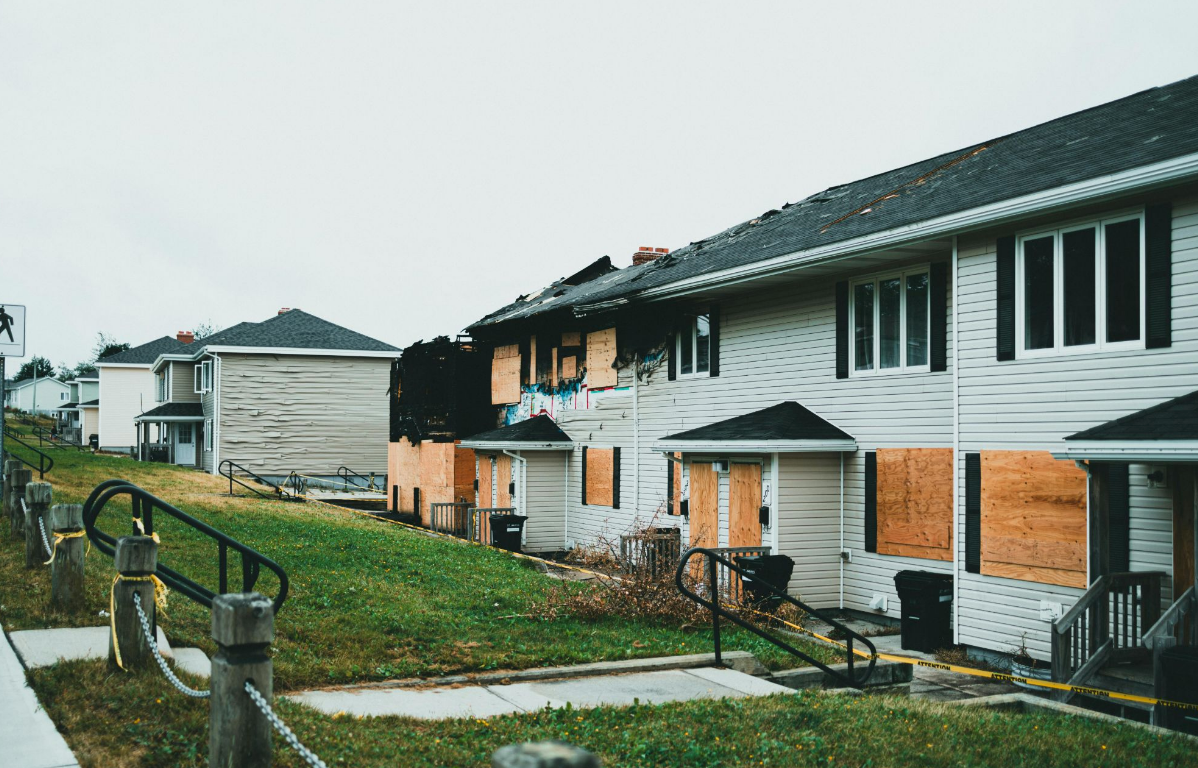
Home insurance is one of those purchases that most people make without fully understanding what they’ve bought. The policy gets filed away, the premium gets paid, and the coverage is assumed to be adequate until the moment it needs to be used — which is exactly when discovering a gap becomes expensive rather than just inconvenient.
The mistakes that end up costing homeowners the most aren’t usually dramatic oversights. They’re the quiet ones — coverage decisions that seemed reasonable at the time, questions that never got asked, reviews that kept getting deferred. By the time the consequences surface, the opportunity to fix them without financial pain has usually passed.
Underinsuring the Dwelling
The most consequential mistake many homeowners make is carrying dwelling coverage that doesn’t reflect what it would actually cost to rebuild their home. Market value and replacement cost are different numbers, and insuring to market value — or to whatever the mortgage required at the time of purchase — often leaves a meaningful gap.
Construction costs have risen sharply in recent years. A coverage limit that was adequate when the policy was written may now fall well short of the actual rebuild cost. The shortfall only becomes visible after a major loss, when the insurer’s payout doesn’t cover what the contractor is quoting.
Guaranteed replacement cost coverage eliminates this risk by committing the insurer to cover the full rebuild regardless of whether the dwelling limit proves insufficient. Not every policy includes it automatically, and the difference in premium tends to be modest relative to the protection it provides.
Skipping Flood and Water Backup Coverage
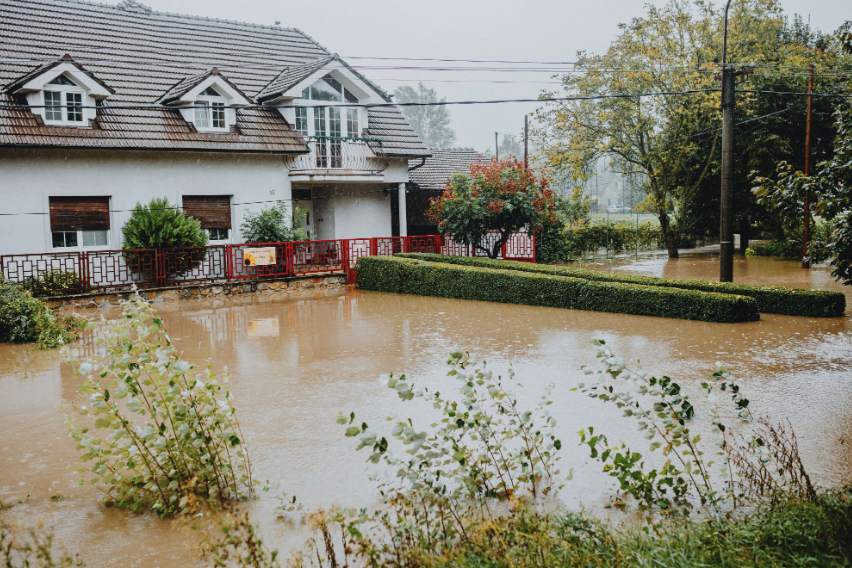
Standard home insurance policies cover a narrower range of water damage than most homeowners assume. Sudden internal water damage — a burst pipe, an appliance failure — is typically covered. Flooding from external sources, sewer backup, and groundwater seepage are generally excluded unless specifically added.
The assumption that “water damage is covered” has produced some of the more expensive surprises homeowners encounter after a claim. Overland flood coverage and sewer backup endorsements are available through most insurers as add-ons, and the cost of carrying them tends to look very different after a basement fills with water than it did at renewal.
Not Reviewing Coverage After Major Changes
Working with a knowledgeable local agent makes proactive coverage reviews more likely to actually happen. Homeowners in coastal and storm-prone regions especially benefit from that kind of ongoing relationship. An insurance agent Myrtle Beach SC professionals recommend, for example, tends to bring familiarity with region-specific risks — hurricane exposure, flood zone classifications, windstorm deductible structures — that a nationally standardized renewal process doesn’t address with the same precision. That local context shapes coverage decisions in ways that matter when the risks driving the most significant losses are specific to where the home actually sits.
Carrying Too High a Deductible Without the Savings to Match
Higher deductibles reduce premiums, and taking on more out-of-pocket risk in exchange for lower ongoing costs can make financial sense — but only if the savings from the lower premium are being set aside rather than absorbed into general spending.
A homeowner who chose a high deductible to reduce the monthly payment but doesn’t have the liquidity to cover that deductible when a claim occurs is in a worse position than if they’d carried a lower deductible with a higher premium. The savings calculation only holds if the financial cushion exists to back it up.
Filing Small Claims That Affect Long-Term Premiums
Home insurance is designed for significant losses, not routine maintenance problems that happen to be covered under the policy. Filing claims for minor damage can produce premium increases or non-renewal notices that cost more over time than simply paying the repair out of pocket.
A rough rule of thumb is that claims within a certain range of the deductible — or for amounts that would be recovered within a year or two of premium increases — are often better handled without involving the insurer. Protecting the claims-free record for situations where the financial impact genuinely warrants it tends to produce better long-term outcomes.
Assuming Liability Coverage Is Sufficient
The liability coverage included in a standard homeowner’s policy covers a range of scenarios, but the limits can be exceeded by a serious injury claim. Medical costs, lost wages, and legal fees can accumulate quickly in liability litigation, and standard policy limits don’t always keep pace with what a judgment might actually require.
Umbrella policies extend liability coverage beyond what home and auto policies provide, at a cost that’s modest relative to the additional protection. For homeowners with assets worth protecting, the gap between standard liability limits and real-world exposure is worth addressing explicitly rather than assuming the base coverage is enough.