
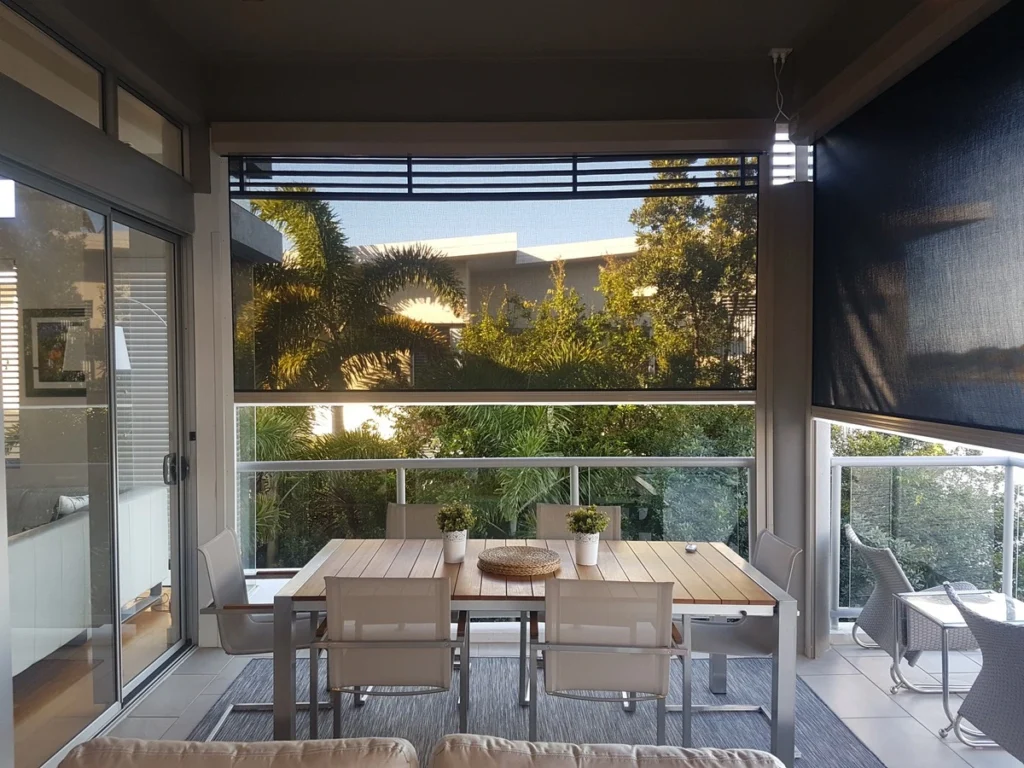
Outdoor blinds installation is often seen as a straightforward investment for improving comfort, privacy, and usability in outdoor living areas. However, while homeowners usually focus on the upfront price quoted by installers, there are often hidden costs that can significantly affect the total project budget.
These additional expenses are not always obvious at first but can emerge during site inspection, installation, or after completion.
Understanding these hidden costs is essential for planning properly and avoiding unexpected financial surprises. From structural modifications to ongoing maintenance considerations, the true cost of outdoor blinds can vary more than many homeowners expect.
Professional providers such as Outdoor Shades WA often explain that transparent quoting is essential, but homeowners should also understand the broader factors that influence the final installation cost.
Structural Adjustments and Site Preparation
One of the most common hidden costs in outdoor blinds installation comes from necessary structural adjustments. Not all homes are immediately ready for blinds to be installed, especially older properties or uniquely designed outdoor areas.
Installers may need to reinforce walls, adjust rooflines, or install additional mounting brackets to ensure the blinds are secure and safe. In some cases, fascia boards or support beams may need upgrading before installation can proceed.
Greg Palmer has noted that homeowners are often surprised by these additional requirements, especially when outdoor spaces have not been originally designed for enclosed systems.
Electrical Work for Motorised Systems
Motorised outdoor blinds are increasingly popular due to their convenience and modern functionality. However, they often require additional electrical work that is not always included in the base installation quote.
This can include wiring, power point installation, switch integration, or smart home connectivity setup. If the outdoor area does not already have accessible power, electricians may need to run new circuits from inside the home.
These electrical additions can add a significant amount to the overall project cost, especially in larger or more complex outdoor setups.
Companies like Outdoor Shades WA often recommend assessing electrical readiness early in the planning stage to avoid delays and unexpected expenses during installation.
Site Accessibility Challenges
Another often overlooked factor is the accessibility of the installation site. Outdoor areas that are difficult to reach, such as elevated balconies, multi-storey patios, or narrow side access points, may require additional equipment or labour.
Installers may need scaffolding, lifting equipment, or extra personnel to safely complete the job. These requirements increase labour time and can significantly impact pricing.
Even small access limitations can add complexity, especially when precise measurements or structural anchoring is required.
Greg Palmer has highlighted that accessibility is one of the most underestimated cost factors in outdoor blind projects, often only becoming clear during the final site inspection.
Customisation and Non-Standard Sizing
Standard-sized outdoor blinds are typically more cost-effective, but many homes require custom solutions due to unique patio layouts or architectural features. Custom manufacturing often increases both material and production costs.
Non-standard widths, heights, or shapes require tailored fabrication, which takes more time and resources. This can also extend delivery times, especially for high-demand materials or premium finishes.
Custom colour matching or specialty fabrics can further increase the overall cost of the project, particularly when homeowners want blinds that match existing exterior design elements.
Council or Compliance Requirements
In some cases, outdoor blinds installation may be subject to local council regulations or building compliance requirements, especially for enclosed outdoor structures or permanent fixtures.
This may involve permits, inspections, or engineering approvals depending on the scope of the installation. While not always required, these compliance steps can introduce additional administrative costs and delays.
Professional installers such as Outdoor Shades WA typically help homeowners navigate these requirements to ensure installations meet local standards and avoid future legal or structural issues.
Removal of Existing Structures
If an outdoor area already has existing shade systems, awnings, or older blinds, removal and disposal may be required before new installation can take place.
This process is not always included in the initial quote and can involve additional labour costs, especially if existing fixtures are difficult to dismantle or integrated into the structure.
Proper disposal of old materials may also incur fees depending on local waste regulations and material type.
Long-Term Maintenance Costs
While not part of the initial installation, ongoing maintenance is a hidden cost that many homeowners overlook. Outdoor blinds are exposed to sun, wind, rain, and dust, all of which can affect their lifespan.
Regular cleaning, minor repairs, and occasional part replacements are often necessary to maintain optimal performance. Motorised systems may also require servicing over time to ensure smooth operation.
Greg Palmer has observed that homeowners who factor in long-term maintenance from the beginning tend to be more satisfied with their investment and experience fewer unexpected expenses later.
Material Upgrades and Add-On Features
During the selection process, homeowners are often presented with optional upgrades such as premium fabrics, UV-resistant coatings, wind-rated systems, or enhanced weather protection features.
While these upgrades improve durability and performance, they can also significantly increase the total project cost if selected without careful budgeting.
Additional features such as automated sensors, remote controls, or smart home integration can also add to the final installation price.
Delivery and Logistics Fees
Depending on the supplier and location, delivery fees for materials and components may not always be included in the initial quote. This is especially true for custom-made blinds or large-scale installations.
Transporting long or heavy materials to certain properties may require special handling or multiple deliveries, which can increase costs further.
Professional companies like Outdoor Shades WA often clarify these logistics costs upfront, but homeowners should always confirm what is included in their quotation.
Final Thoughts
The true cost of outdoor blinds installation extends beyond the initial quote provided by installers. Structural modifications, electrical work, accessibility challenges, customisation requirements, compliance obligations, and ongoing maintenance all contribute to the final investment.
Understanding these hidden costs allows homeowners to plan more accurately and avoid unexpected financial pressure during or after installation.
By working with experienced professionals and asking the right questions early in the process, homeowners can make informed decisions that balance both budget and long-term value. With expert guidance from providers such as Outdoor Shades WA, it becomes easier to navigate the complexities of outdoor shading projects and achieve a result that is both functional and cost-effective.