
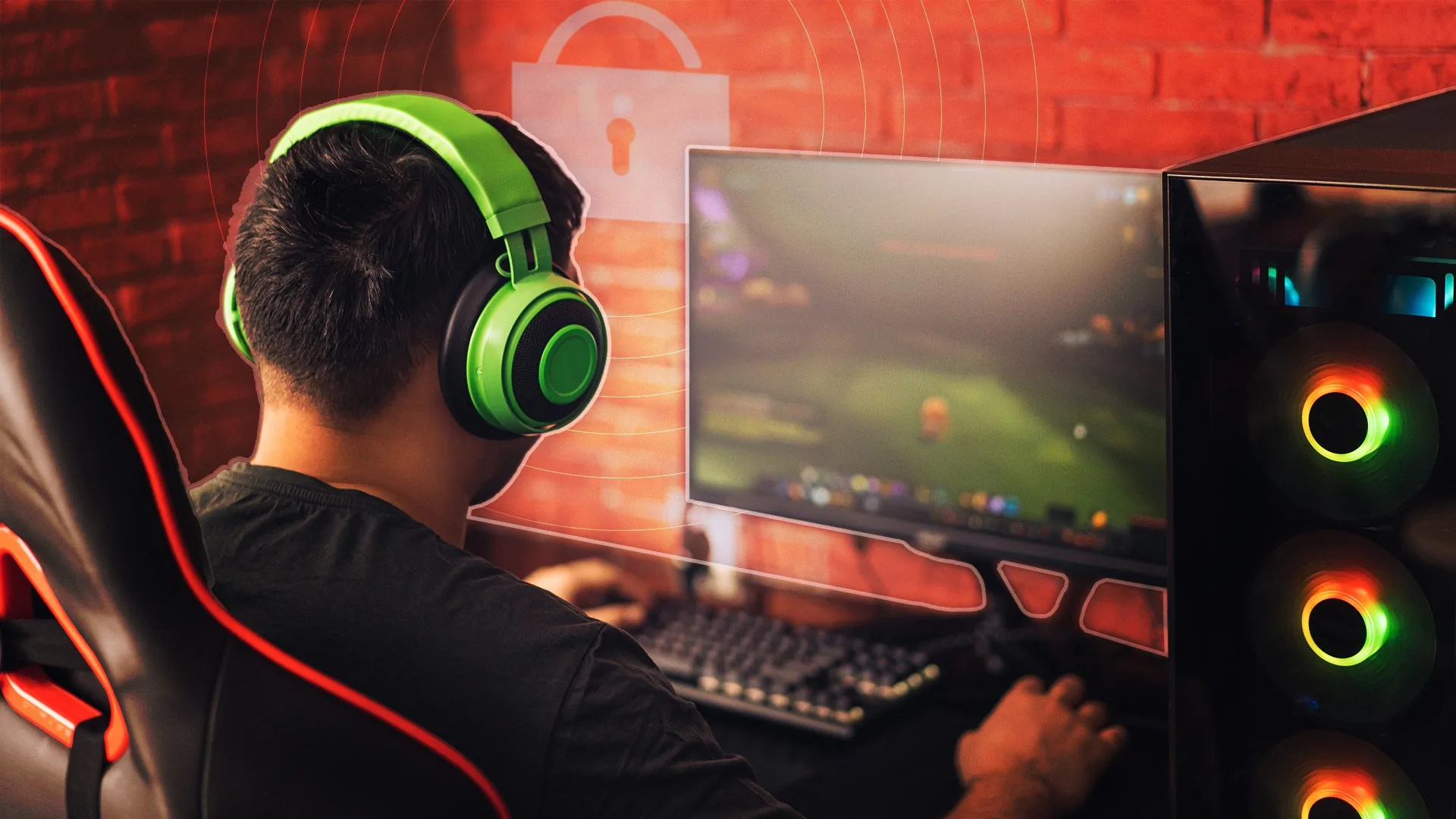
Online gaming has become a popular way for people to relax, compete, and connect with others. From multiplayer adventures to competitive tournaments and casino-style platforms, millions of players spend time enjoying games online. However, as the industry continues to grow, privacy and security have become increasingly important. Players share personal information, create accounts, make payments, and communicate with strangers, which can expose them to various online risks.
Understanding the importance of privacy and security in online gaming helps players enjoy their favorite activities without unnecessarily putting their personal information or digital identities at risk. Whether someone plays casually or participates in competitive gaming, taking a few precautions can make the experience safer and more enjoyable.
Why Privacy Matters in Online Gaming
Privacy is an important part of having a positive online PG SLOT gaming experience. Many gaming platforms collect information such as usernames, email addresses, payment details, location data, and gaming preferences. While some of this information is necessary to operate gaming services, players should understand how their data is collected, stored, and used.
Sharing too much personal information can create unnecessary risks. For example, displaying a real name, personal phone number, home location, or other identifying details in a public gaming profile may attract unwanted attention. Some individuals may use this information for harassment, scams, or identity theft.
Players should review their account privacy settings and avoid sharing sensitive details with strangers. A gaming username does not need to reveal someone’s real identity. Keeping personal and gaming information separate is a simple way to maintain better privacy.
Common Security Risks Players Should Know
Online gaming platforms face several security challenges, and players should understand the threats they may encounter. One common issue is phishing. Scammers often create fake websites, messages, or promotional offers that look similar to legitimate gaming services. Their goal is to convince players to share login credentials or financial information.
Account hacking is another concern. Weak passwords, reused login details, and unsecured devices can make gaming accounts easier to compromise. Losing access to an account can be frustrating, particularly when it contains purchased games, valuable items, or years of progress.
Malware and suspicious downloads also create problems. Some websites offer unofficial game modifications, cheats, or free rewards that require users to download unknown files. These downloads may contain harmful software designed to collect personal information or damage devices.
Recognizing these risks is the first step toward avoiding them. Players should be cautious about unexpected links, unrealistic offers, and requests for sensitive information.
Practical Ways to Protect Gaming Accounts
Protecting an online gaming account does not require advanced technical knowledge. A few basic security practices can significantly reduce the chances of unauthorized access.
First, players should create strong and unique passwords for their gaming accounts. Using the same password across multiple websites increases the risk of losing several accounts if one service experiences a data breach. A password manager can help users create and manage secure login credentials.
Two-factor authentication is another useful security measure. It adds an extra verification step when someone attempts to access an account. Even if a password becomes compromised, this additional layer can make unauthorized access more difficult.
Players should also keep their gaming devices, operating systems, and applications updated. Software updates frequently include security improvements that help protect against newly discovered vulnerabilities.
Finally, logging out of accounts on shared devices and avoiding public Wi-Fi for sensitive transactions can provide additional protection.
Choosing Secure and Trustworthy Gaming Platforms
The platform a player chooses can make a significant difference in online safety. Reputable gaming services generally provide clearer privacy policies, account protection features, secure payment options, and customer support.
Before creating an account, players should check whether a platform explains how it handles personal information. A trustworthy service should provide understandable information about data collection, storage, sharing, and account deletion.
Payment security deserves attention as well. Players should use recognized payment methods and avoid sharing card details through unofficial messages or unfamiliar websites. Checking website addresses before entering financial information can also help prevent phishing attempts.
Parents should take additional precautions when children participate in online gaming. Age-appropriate platforms, parental controls, and discussions about responsible online communication can help younger players avoid inappropriate interactions and potential scams.
Final Thought
Privacy and security should never be overlooked when enjoying online games. As gaming platforms become more connected and interactive, protecting personal information and digital accounts is just as important as choosing an enjoyable game.
Players can reduce many common risks by using strong passwords, enabling two-factor authentication, avoiding suspicious downloads, and selecting trustworthy platforms. Staying informed about potential threats also makes it easier to recognize unusual activity before it becomes a serious problem.
Ultimately, online gaming should be an enjoyable experience rather than a source of unnecessary worry. By making privacy and security part of their regular gaming habits, players can protect their information, maintain control of their accounts, and enjoy the digital gaming world with greater confidence.