
Worry about dental implants often starts with unanswered questions. Will the procedure hurt? What happens between surgery and the finished tooth? How much time should you set aside? A consultation with the team athttp://temeculafacialoralsurgery.com/ should give you time to talk through these concerns before deciding on treatment.
Feeling comfortable does not require knowing every surgical detail. It starts with understanding what is proposed, why it suits your mouth, and what you will be expected to do before and afterward.
An explanation you understand
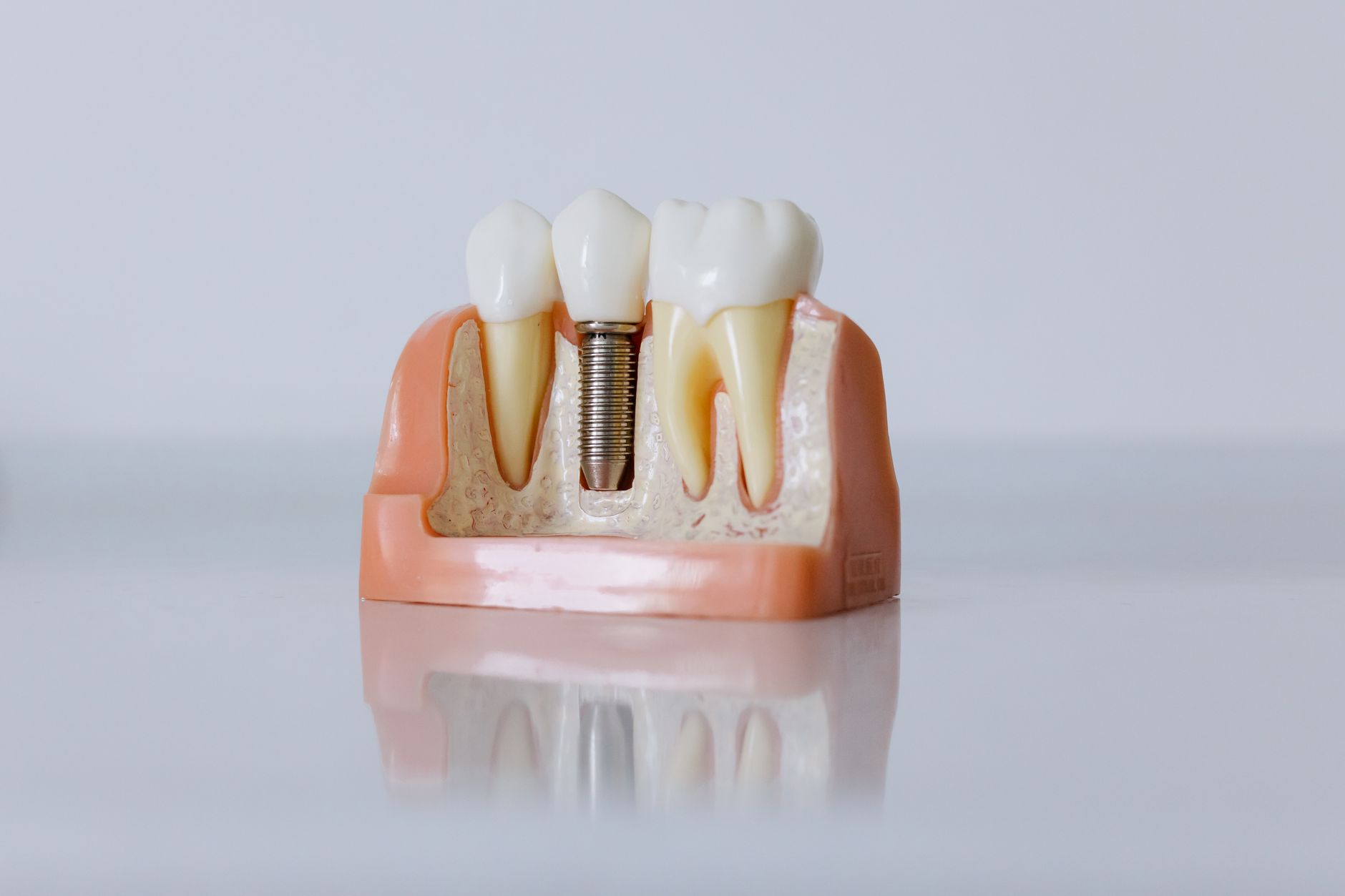
A dental implant replaces the root of a missing tooth. The visible replacement is a separate part, usually a crown for one tooth or a bridge for multiple teeth. Explaining that distinction makes the treatment sequence easier to follow.
Ask the clinician to show you the relevant findings on your images and explain them in everyday language. If bone grafting or an extraction is recommended, ask why it is needed and how it changes the schedule. You should also hear about suitable alternatives, the risks of treatment, and what happens if you decide to wait.
Fun fact: The bone grows around the implant during healing. This process is called osseointegration, and it is why the time between implant placement and the finished restoration matters.
Time to ask the awkward questions
Some concerns are difficult to mention, especially after a painful appointment years earlier. Tell the team what bothered you: the injection, feeling rushed, unexpected costs, or being unable to signal that you needed a break. Those details give the clinician something specific to discuss with you.
Bring your questions in writing. Ask who places the implant, who fits the replacement tooth, and whom you contact between appointments. Request a written estimate that explains what is included and what would cost extra. Leaving with unanswered financial questions adds another worry to an already unfamiliar procedure.
Knowing what anesthesia will feel like
Implants are commonly placed under local anesthesia, which numbs the treatment area while you remain awake. Discuss what sensations to expect, including pressure or vibration, and agree on a signal for asking the clinician to pause. Tell the team promptly if you feel pain during treatment.
Sedation is a separate discussion. Ask which options are appropriate for your health and the planned procedure, who administers them, and how you will be monitored. Follow the team's instructions about food, drink, medicines, and transport. If sedation requires an escort, arrange that person before the appointment rather than trying to organize a ride afterward.
A comfortable office starts with ordinary details
Before meeting the clinician, patients spend time in reception, use the restroom, and walk through shared areas. Tidy seating, clean floors, stocked soap dispensers, and regularly emptied bins make those spaces more pleasant to use. Consistent housekeeping also keeps daily maintenance on a schedule instead of leaving mess until someone complains. Professional office cleaning fits into that routine with attention to frequently touched surfaces and visits arranged around appointments. These details deserve a place in the patient experience, but a polished waiting room does not establish the quality of implant treatment. General housekeeping is separate from instrument sterilization and clinical infection-control procedures, which require their own protocols.
A recovery plan that answers everyday questions
A useful recovery conversation covers eating, cleaning your mouth, managing discomfort, and returning to your usual activities. Soreness, swelling, or bruising occur after some implant procedures; the extent varies with the surgery and the person. Ask what the team expects in your case and which symptoms warrant a call.
Get the instructions in writing before leaving. Check the next appointment date and ask how the clinician will assess healing before moving to the next stage. If temporary teeth are planned, find out what restrictions apply to them. Temporary teeth do not mean that the bone has finished healing around the implants.
Save the practice's daytime and after-hours contact details in your phone. If something worries you at home, knowing exactly whom to call is more useful than trying to judge your recovery against a stranger's experience online.