
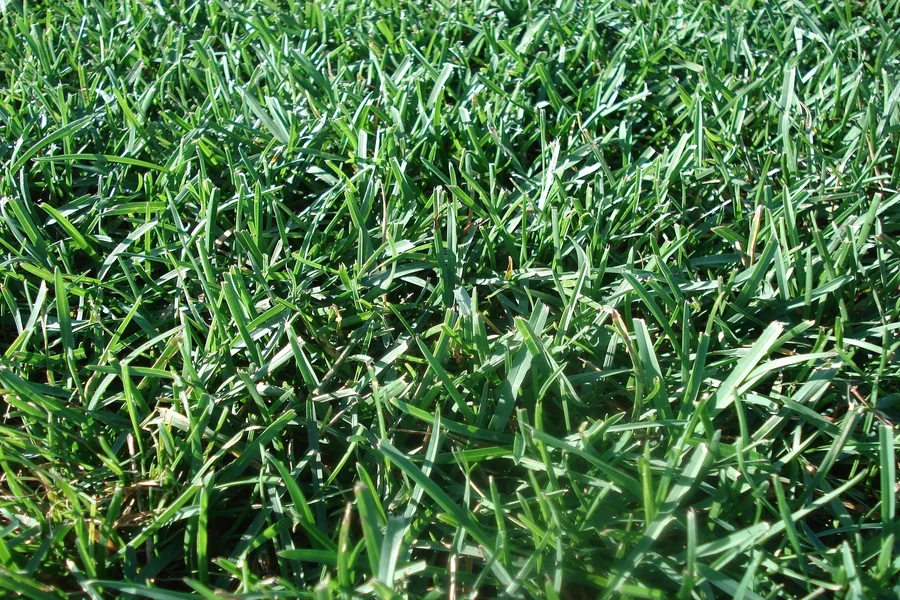
You water on schedule, mow every week, and still your lawn looks patchy, pale, or thin compared to the yard down the street. This problem is quite typical, and in most cases, it has more to do with particular factors rather than with any lack of commitment and devotion on your part.
In certain areas, extreme weather conditions, persistent local weeds, and changing soil conditions present challenges for the turf that cannot be overcome by simple mowing and watering of the lawn.
The good news is that there are a limited number of reasons behind lawn problems, and once you learn to identify them, the solutions become obvious.
Here’s a closer look at what’s likely standing between your yard and the deep, uniform green you’re after, and what it actually takes to close that gap.
1. Compacted Soil Blocking Water and Nutrients
One of the most common and most overlooked culprits behind a struggling lawn is compacted soil. Over time, foot traffic, mowing, and heavy clay-based soil press the ground beneath your grass tighter and tighter, leaving little room for water, air, or nutrients to reach the root zone.
Professional lawn services such as lawn services from Green Concepts Inc. tackle the issue with the help of a core aeration process that takes out plugs of soil to eliminate the compaction problem and open the soil for treatments to be effective. Otherwise, even the best fertilizers will not show any results at all.
2. Weeds Competing for Water, Sunlight, and Space
Every dandelion, clover patch, or crabgrass cluster in your yard is actively pulling resources away from the grass around it. Weeds germinate opportunistically, taking advantage of any thin or bare spot where they can access sunlight and nutrients before your turf does.
A single round of spot-spraying rarely solves this for long, since it addresses only what’s visible while leaving the underlying seed bank untouched. A layered approach combining pre-emergent treatments, which stop weed seeds before they sprout, with targeted post-emergent applications for anything that manages to break through tends to produce far more lasting results.
3. Inconsistent or Mistimed Fertilization
A single seasonal fertilizer application, or one applied at the wrong time of year, rarely provides grass with what it needs to stay thick and green through changing conditions. Seasonal fluctuations are quite common for lawns, since winter is snowy and cold, summer is hot and humid, and each season requires specific nutrients.
Seasonal fertilization, which is planned considering local climate conditions and taking into account an analysis of the specific lawn’s soil, guarantees much better results in terms of color and thickness.
4. Undetected Pests and Turf Disease
Some of the most damaging problems in a lawn happen entirely out of sight. Grubs feeding on root systems underground, chinch bugs draining moisture from grass blades, and fungal diseases spreading through humid conditions can all cause serious thinning and dead patches long before the visible symptoms make the cause obvious.
By the time brown patches or wilting appear above ground, the underlying damage is often already significant. Preventative grub control, chinch bug treatments, and professional fungicide applications catch these threats before they take hold, rather than scrambling to repair the damage after the fact.
5. Thinning Grass From Poor Seed-to-Soil Contact
Bare patches and thinning areas usually mean the grass seed simply isn’t making solid contact with the soil beneath it. Sprinkling seeds over the top layer of your lawn won’t yield good results because not all of them will even reach the soil required for germination.
This problem can be addressed through the process of slit seeding, which involves cutting slits into the soil and dropping seeds right there in those slits. The process should be done in spring or fall.
6. A Generic, One-Size-Fits-All Treatment Approach
Perhaps the biggest barrier of all is treating every lawn the same way, regardless of its specific soil composition, grass variety, sun exposure, or existing problems.
A program applied identically across every property on a route will inevitably under-treat some issues and over-treat others. Starting with a thorough initial lawn analysis and building a customized plan around what a specific yard actually needs produces results that a generic package simply can’t match, since the treatment is designed around the lawn in front of it rather than an average condition that may not apply.
Choosing between multiple program levels also helps homeowners match the intensity of treatment to both their lawn’s needs and their budget, rather than being locked into a single fixed package regardless of fit.
Wrapping Up
A lawn that isn’t living up to its potential is rarely a lost cause; it’s usually dealing with one or more of these specific, fixable issues working against it. Soil compaction, weed competition, fertilizer timing, pests lurking underground, inadequate seed coverage, and a lack of tailored solutions are all preventing your lawn from thriving.
By tackling the underlying issues with a comprehensive strategy rather than relying on a one-and-done solution, you’ll bridge the gap between the lawn you have now and the deep-green lawn you’re aiming for. Flexible, no-contract service also makes it easier to stay consistent with treatment over time, since there’s no pressure to commit to a rigid plan before seeing real results. With the right plan in place, that perfect lawn is usually much closer than it looks.