
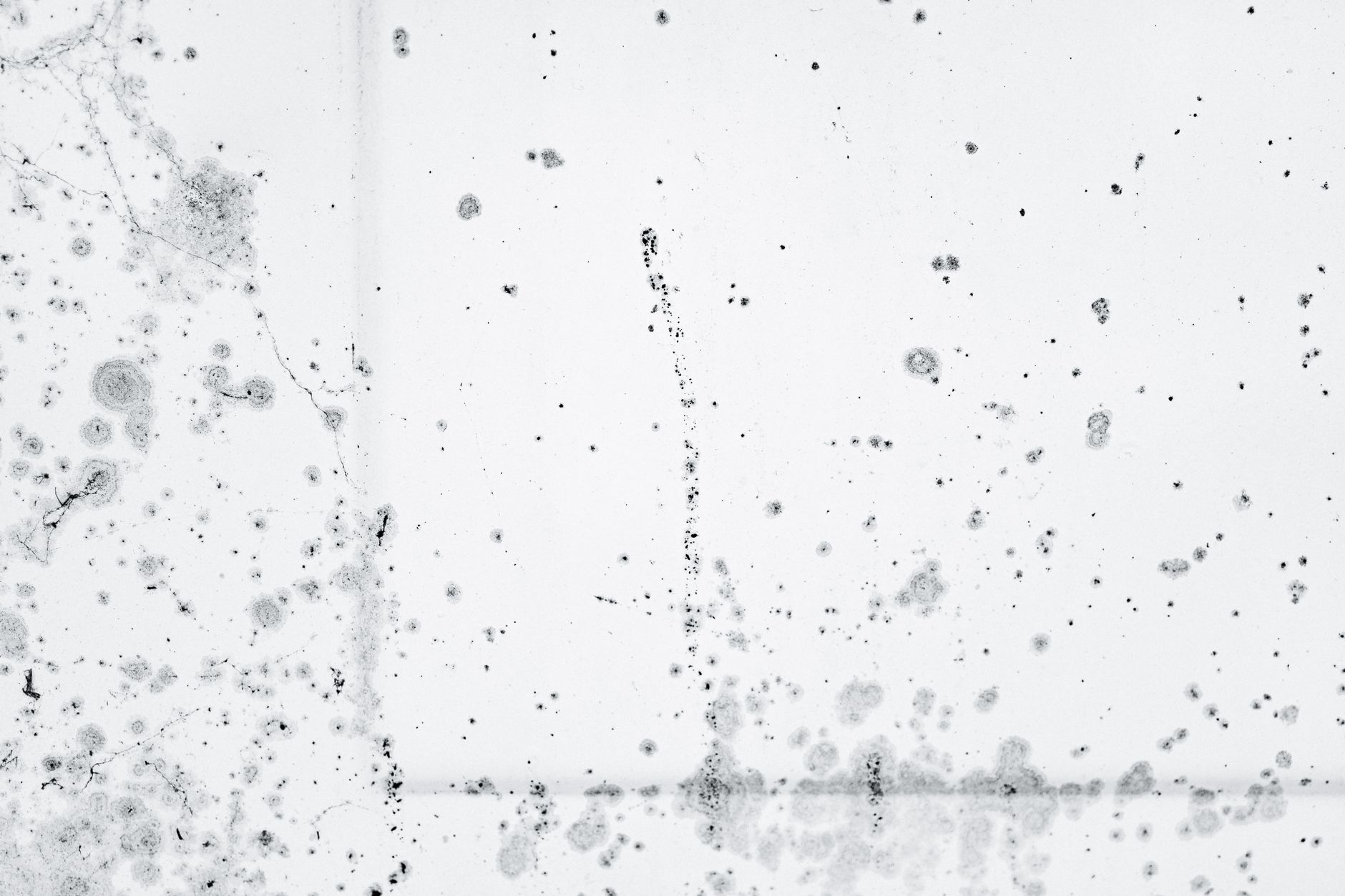
A patch of mold beside a bathroom cabinet often gets treated as a cleaning job. Someone wipes it away, lets the surface dry, and assumes the trouble is over. Then the marks return. If a pipe is still leaking behind the cabinet or the wall remains damp, cleaning the visible patch leaves the conditions for growth untouched.
The mold remediation process described at https://quickdry.com/ starts with examining the affected area and identifying the moisture source. Those findings determine which materials need cleaning, removal, or repair before the space is put back together.
The visible patch does not show the full extent
Mold on a painted wall tells you where growth has become visible. It does not establish how far the damage extends. The back of drywall, the underside of flooring, and enclosed spaces around plumbing deserve attention when there is evidence of moisture.
An inspection connects those clues with the property’s history. A previous roof leak, repeated condensation, or a cabinet that stayed wet after a plumbing failure gives the inspector somewhere specific to look. A musty smell warrants investigation, although odor alone does not confirm mold. Pulling apart finishes without a plan risks disturbing hidden growth before the work area is prepared.
Remediation starts before anything is scrubbed
Professional mold remediation involves assessing the affected area and organizing the work around its size, location, and condition. Containment separates the work area where needed, limiting the movement of disturbed material into surrounding rooms. Protective equipment and controlled handling matter during removal, especially when damaged finishes must be opened.
The cleanup itself depends on what the mold is growing on. Sound, nonporous surfaces often respond to thorough cleaning. Moldy porous materials are harder to recover because growth reaches spaces that surface wiping does not reach. Damaged drywall, insulation, or carpet sometimes requires removal rather than another cleaning treatment.
That distinction should be clear in the proposed scope of work. Ask which materials will be cleaned, which will be discarded, and how nearby belongings will be protected. A quote that says only “mold treatment” leaves too much unexplained.
Water damage restoration addresses what stayed wet
When mold follows a leak or flooding, water damage restoration belongs in the same repair plan. The assessment starts with locating the source of moisture and checking how far it has traveled through adjoining walls, flooring, and concealed spaces. Technicians use moisture measurements to identify damp materials and track drying rather than judging progress by touch alone. Standing water requires extraction, while retained materials need drying equipment selected for the conditions. Some damaged sections require removal to reach wet layers underneath. Repairing the original leak stops new water entering, but it does not dry what is already inside the building. Coordinating this work with mold remediation keeps drying, removal, and cleanup in a sensible sequence before replacement materials cover the area.
Killing mold does not finish the cleanup
A strong chemical smell is not proof that remediation is complete. Mold still needs physical removal; simply killing it leaves material behind. A treatment also does not repair a leaking connection or restore a deteriorated wall.
Fun fact: Mold contributes to the breakdown of fallen leaves and dead wood outdoors. Indoors, that same ability to grow on organic material becomes a problem when building materials stay damp.
For homeowners, the useful question is what has actually been removed and what conditions have changed. Ask for an explanation of the findings and the work performed, rather than relying on the appearance of a freshly treated surface.
Rebuild after the affected area is ready
Painting over mold or fitting new trim against a damp wall hides evidence without resolving the damage. Replacement finishes belong after the moisture source has been corrected, affected materials have been addressed, and drying has been checked.
Before the wall is closed, request documentation of the areas treated and the moisture checks performed. Keep photographs of concealed repairs alongside the work records. If staining or an odor returns, those details give the next inspection a useful starting point instead of another round of guesswork.